
2 Late-Summer Risks That Can Trigger Dock Building Insurance Claims in Boatyards
August 11, 2026
Picture a boatyard wrapping up a busy August workday. An unfinished dock project sits along the shoreline, contractors are still moving equipment, customer vessels keep arriving for service, and afternoon storms are building to the west. Every element of that scene is routine. Together, they describe the conditions under which dock building insurance can become indispensable.
For agents reviewing boat builder and boatyard accounts before autumn, two exposures deserve particular attention.
#1: Changing Weather Raises Stakes
Late-summer thunderstorms, sustained high winds, fluctuating water levels, and approaching tropical systems can turn a partially completed dock into a substantially larger property and liability loss. In 2024 (the most recent numbers available), over $1 billion was lost to extreme weather.
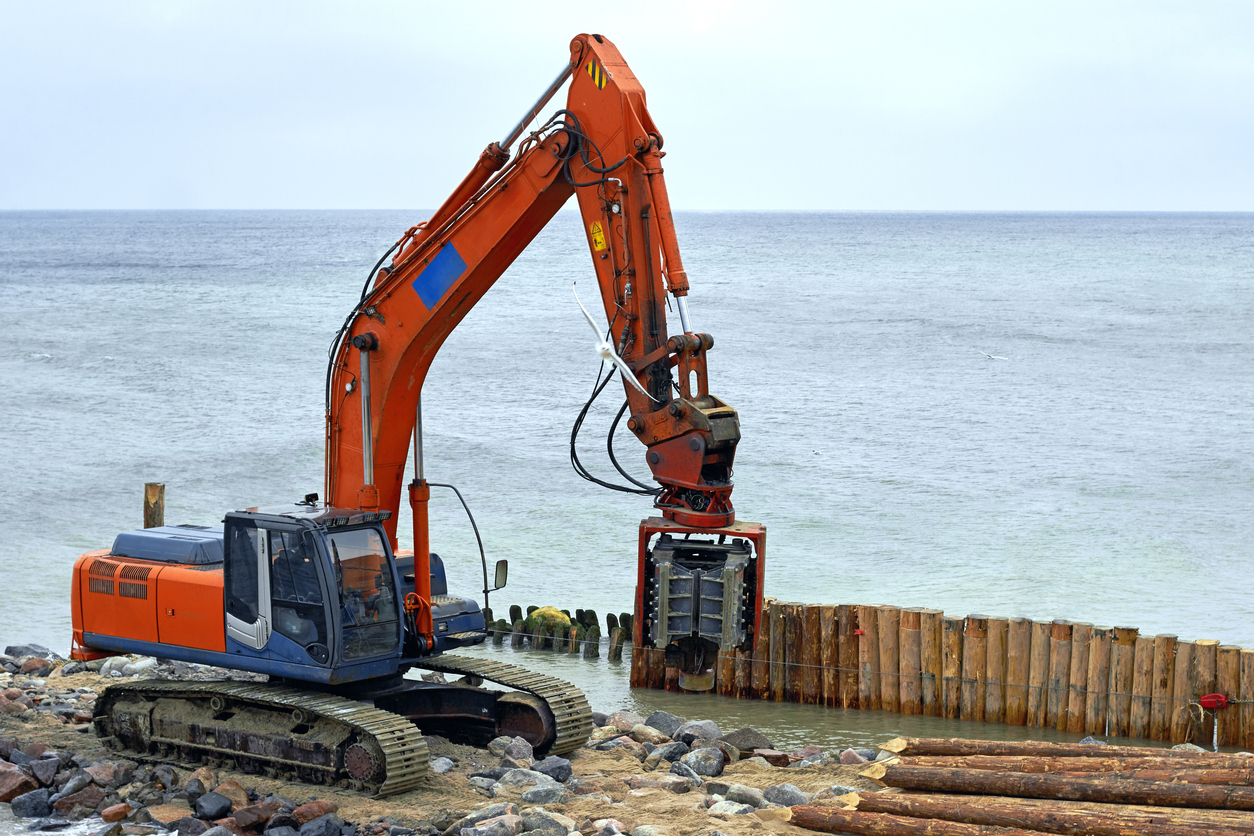
For dock projects, though, the timing of a weather event can lead to a significant claim. A finished dock is engineered to take weather. A dock at 60% completion is not. Unsecured decking, exposed pilings, staged lumber and hardware, generators, compressors, and mobile lifting equipment all sit in the open for as long as the schedule requires — and every delay extends that window.
The compounding effect is what agents should watch. Consider a squall that damages an unfinished section of a dock and floods a nearby contractor’s lift. The direct property loss is only the beginning. Repairs push the schedule back several weeks, leaving the remaining structure exposed to the next round of storms and inviting further damage. One weather event can become a claim that grows into something your client isn’t covered for.
#2: Active Boatyards Multiply Risks
Late summer is often among the busiest stretches of the boatyard calendar. Construction crews, customer vessels, material deliveries, subcontractors, and ordinary waterfront traffic all occupy the same footprint at once.
Dock building insurance should account for how construction interacts with everyday operations, because a single incident often affects multiple coverage areas simultaneously.
For instance, suppose a crane or excavator working near an active launch area collides with a customer-owned vessel — or drops material that does. The immediate result is damage to third-party property in the yard’s care, custody, and control. Close behind come questions about the contractor’s role and insurance, the yard’s own liability, the contractual terms between them, and potential bodily injury if anyone was working nearby.
Sorting that out after the fact is considerably harder than confirming beforehand how the pieces fit together.
Preparing for Seasonal Claim Drivers
Weather exposure and operational congestion each produce claims on their own. Evaluated separately, they look manageable. Evaluated together — which is often how they occur — they produce the layered, multi-party losses that complicate adjustment and drive severity.
Ideally, agents reviewing a client’s dock building insurance program before late-summer projects carry into fall should examine these factors as a combined exposure rather than two entries on a checklist. That review is also the right time to confirm how construction activity, contractor arrangements, and customer property obligations align across the client’s coverage.
Do all of that, and if something does go wrong in the late summer, you may save your client from a serious fall.
About Merrimac Marine Insurance
At Merrimac Marine, we are dedicated to providing insurance for the marine industry to protect your clients’ businesses and assets. For more information about our products and programs, contact our specialists today at (800) 681-1998.