
3 Overlooked Equipment Risks That Can Lead to Marine Dredging Insurance Claims
August 13, 2026
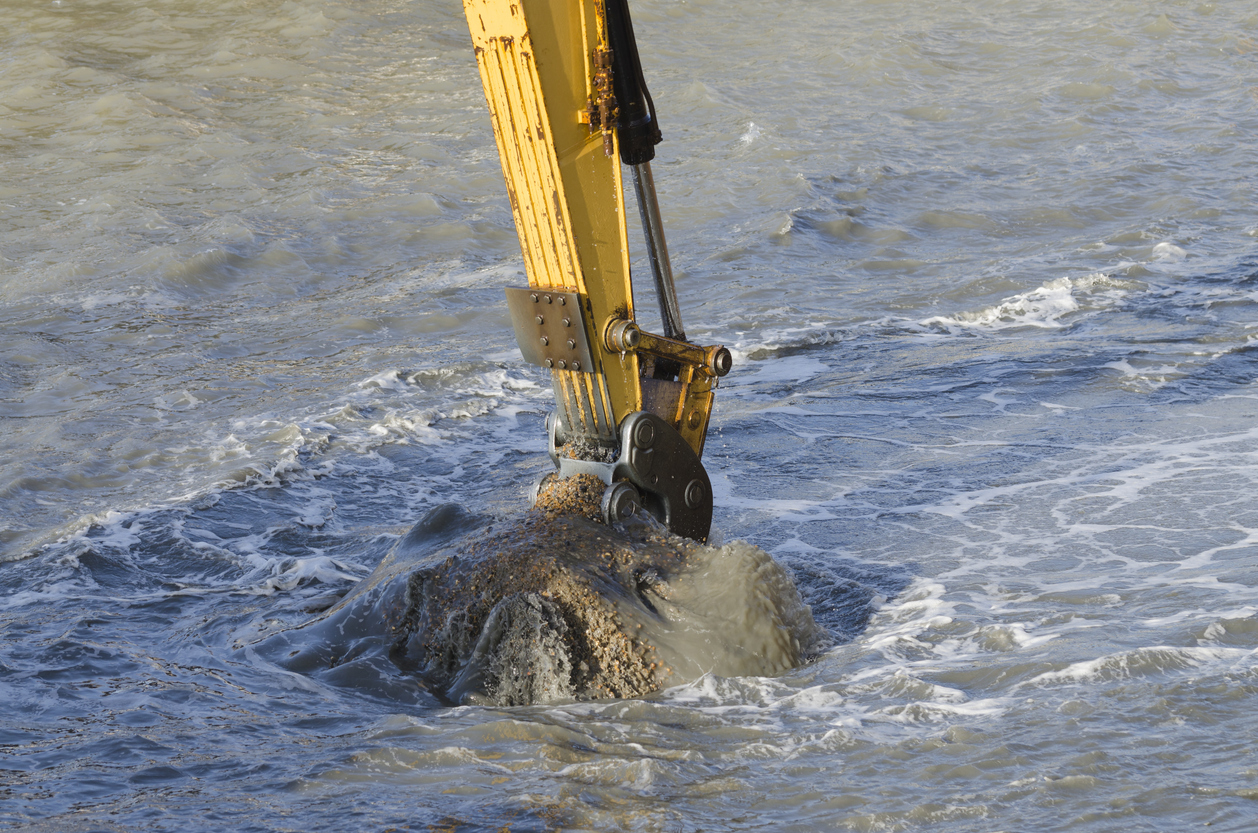
Dredging operations depend on specialized equipment working continuously in some of the harshest conditions any contractor faces: saltwater, abrasive sediment, constant vibration, and shifting loads. That combination wears machinery in ways ordinary construction equipment never experiences, which is why marine dredging insurance has to cover far more than repair costs. An equipment incident on a dredging project can produce property damage, schedule delays, environmental obligations, and third-party liability from a single point of failure.
The claims that surprise your clients may not begin with catastrophic breakdowns. They often begin with vulnerabilities that appear to be manageable, which is exactly why operational exposure reviews belong in any underwriting conversation. Here are three worth raising with dredging clients.
#1: Wear Hides Growing Exposure
Pumps, cutterheads, discharge pipelines, wire rope, and hydraulic components degrade continuously under abrasive conditions. Worn equipment usually keeps working, so the output stays acceptable, gauges read normal, and nothing signals a problem until something lets go.
That gradual deterioration is an underwriting blind spot because it doesn’t appear in loss runs or inspection reports until it becomes a loss. Consider an aging discharge pipeline that fails mid-project: The immediate result is slurry released where it shouldn’t be, damage to adjacent property, and a halted operation. The pipe section itself may be the cheapest part of the claim.
#2: Equipment Dependencies Multiply Claims
Dredges, cranes, excavators, barges, tenders, and support vessels typically work within a confined footprint, often physically connected and always operationally interdependent. One failure, however, can create a ripple effect of failures.
Marine dredging insurance should account for those interconnections rather than treating each unit as a standalone scheduled item. Picture a crane malfunction that drops a load onto nearby dredging equipment. Now the claim involves two damaged assets, an idled crew, a project behind schedule, and possibly a subcontractor’s equipment alongside the insured’s own. Evaluating the crane in isolation would never have surfaced that exposure.
#3: Minor Failures Escalate Quickly
Small mechanical problems generate large claims when they intersect with the water. A failed seal, a torn silt curtain, or a stuck valve can allow sediment and debris to migrate beyond the permitted work area. At that point, the operator faces cleanup obligations, potential regulatory attention, and third-party claims from property owners or other waterway users.
Claim severity can run far beyond the repair cost of whatever broke. In the backdrop is inclement weather, which continues to shape marina insurance policies and claims outcomes.
Reviewing Equipment Risk Exposure
When there’s a long, quiet stretch, it’s easy to assume that the long, quiet stretch will remain. But many marine dredging insurance claims stem from equipment vulnerabilities that seem manageable until they suddenly aren’t, affecting multiple aspects of a dredging operation.
Four questions to pose to dredging clients:
- Which high-wear equipment presents the greatest exposure during active operations?
- Could a single equipment failure disrupt multiple assets or work crews at once?
- Could that failure produce property damage, environmental liability, or project delays?
- Do current underwriting assumptions reflect the equipment and practices actually in use today?
Work with your clients to evaluate equipment exposure as part of the overall operational risk profile. Discovering gaps ahead of time is certainly preferable to your client finding them following a claim.
FAQ About Marine Dredging Insurance
What equipment risks commonly lead to marine dredging insurance claims?
Three risks tend to recur: high-wear components that fail without warning, interconnected equipment where one failure cascades across multiple assets, and minor mechanical problems that escalate into pollution or navigation events. Each tends to affect property, operations, environmental responsibilities, and third parties simultaneously, which drives severity.
What are the risks covered in marine dredging insurance?
Programs are generally built for the complexity of dredging work and may address equipment losses, third-party liability, property damage, pollution exposures, and other operational risks. What any particular program covers depends on its terms, conditions, and exclusions. Reviewing a client’s actual operations against those terms is the only reliable way to know whether the two line up.
About Merrimac Marine Insurance
At Merrimac Marine, we are dedicated to providing insurance for the marine industry to protect your clients’ businesses and assets. For more information about our products and programs, contact our specialists today at (800) 681-1998.