
Boat Builder Insurance: Managing Liability From Construction Through Sea Trials and Delivery
October 15, 2026
Even before a boat becomes a boat, it needs the protection of boat builder insurance. Even during construction, there’s risk involved due to the mix of tools, materials, and workers. Once the vessel is water-bound, the risk continues during sea trials, when the new boat is carrying people and sharing the water with docks, other watercraft, and the public, even before it’s delivered to the customer.
That progression matters when agents review a client’s boat-building program. Here’s how liability exposures can shift at each stage of a new build, and what agents should ask along the way.
How Do Boat Builder Insurance Risks Change During Construction?
Construction, by its very nature, is always moving. Early in a build, crews may lay up fiberglass in a mold, weld aluminum, or assemble structural components. As the project advances, they install engines, fuel systems, wiring, and electronics, then begin powering and testing them.
The Occupational Safety and Health Administration (OSHA) notes that shipbuilding encompasses everything from assembling and installing to painting, outfitting, and testing, with hazards including fires, explosions, electrocution, and hazardous atmospheres.
Each new milestone changes the risk. Fuel in the tanks and charged battery banks can turn an unfinished vessel into an ignition source that threatens the building, nearby boats, and customer property.
When reviewing construction-phase exposures, agents should consider:
- The vessel’s stage of completion and current value
- The type of work underway, such as hot work, fueling, or electrical testing
- Whether subcontractors perform work, and how contracts allocate responsibility between the parties
- Where the work takes place, whether inside the facility, outdoors, or dockside
What Changes When a Vessel Begins Sea Trials?
Launching a vessel turns a largely stationary construction project into an operating one. The launch itself, whether by travel lift, crane, or ramp, carries its own risk. Sea trials then put propulsion, steering, and onboard systems under real-world load, often for the first time.
That move from land to sea can introduce exposures that didn’t exist inside the shop, including:
- Collision with other vessels, docks, or marine structures
- Property damage to third-party boats, piers, or shoreline property, including wake damage
- Bodily injury to people aboard, such as crew members, technicians, surveyors, or the customer
- Equipment failure, such as a steering, fuel, or electrical problem at speed
- Navigation errors, including groundings in unfamiliar waters
Determining who is responsible when something goes wrong is separate from what a general liability policy covers. Before sea trials begin, agents should ask questions like:
- Who will operate the vessel, and what experience or licensing does that person hold?
- Who will be aboard, and in what capacity?
- Where will trials take place, and how far from the builder’s facility?
How Do Liability Exposures Change During Delivery?
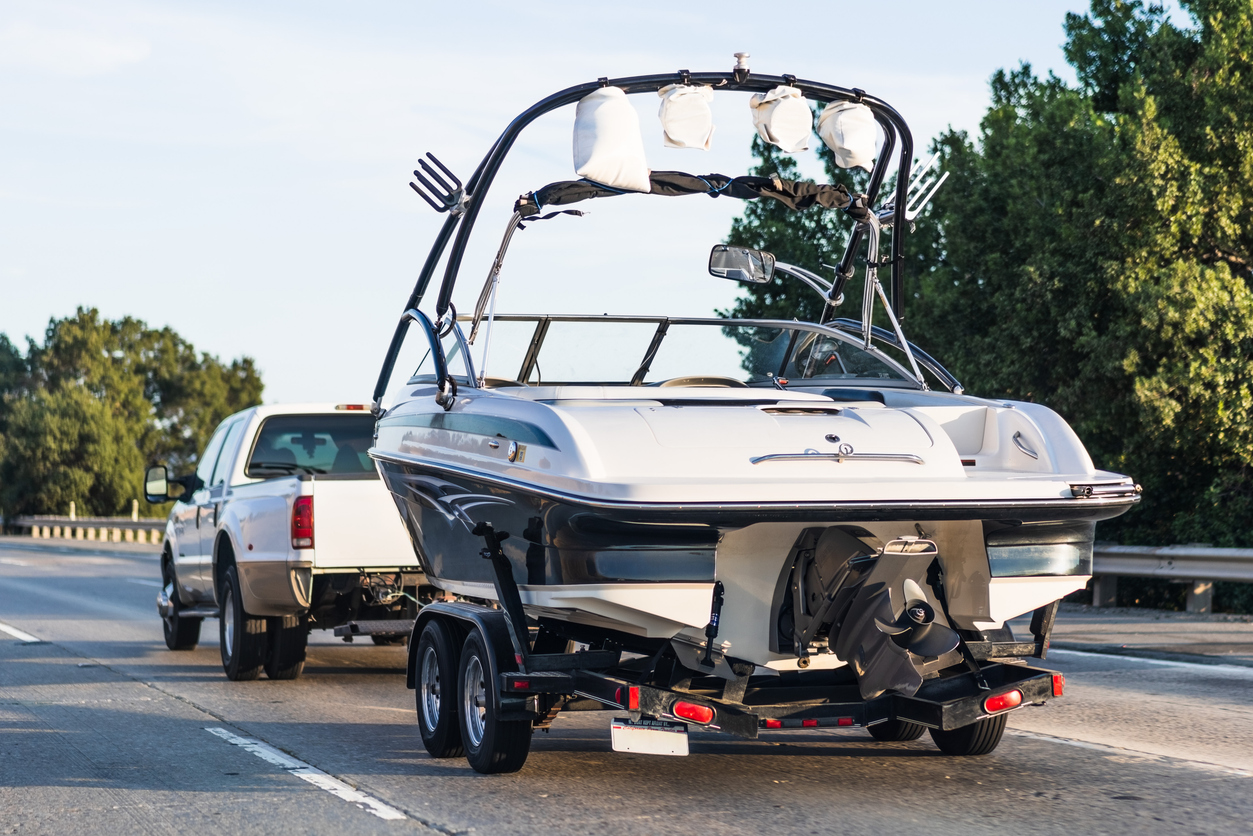
A boatbuilder’s responsibilities can extend beyond construction. The vessel may still need to be transported by road or water, commissioned at a marina, inspected, and formally delivered to the customer. Each step raises questions about who is responsible for the vessel and when that responsibility transfers.
The construction contract and delivery terms should clearly establish when the customer assumes ownership and the risk of damage. Insurance coverage should account for the builder’s responsibilities throughout the process. Even after the customer takes possession, the builder may still face liability allegations involving its completed work.
Keep Coverage Aligned With Every Stage of the Build
Risk doesn’t disappear or diminish as a vessel approaches completion. The nature of the exposure changes, and it could grow. A boat that never left the shop during construction may carry passengers, cross open water, and change hands within a few weeks.
When working with boatbuilder clients, review their construction, sea-trial, and delivery operations to identify potential liability exposures and coverage needs.
Merrimac Marine Insurance can help you evaluate these risks and explore insurance solutions tailored to your boatbuilder clients’ operations. Contact our team to discuss your next submission.
About Merrimac Marine Insurance
At Merrimac Marine, we are dedicated to providing insurance for the marine industry to protect your clients’ businesses and assets. For more information about our products and programs, contact our specialists today at (800) 681-1998.