
Boat Rental Accounts: Which Operational Changes Should Agents Flag?
November 16, 2026
A boat rental business that looked one way on its original application may appear quite different a few seasons later. Fleets grow and turn over, owners add new kinds of rentals, and operations move to new waterways. For agents handling boat rental insurance, those changes can leave previously submitted underwriting information outdated or incomplete. Three areas in particular deserve a fresh look: the fleet, customer activities, and operating territory.
Has the Business Added or Replaced Vessels?
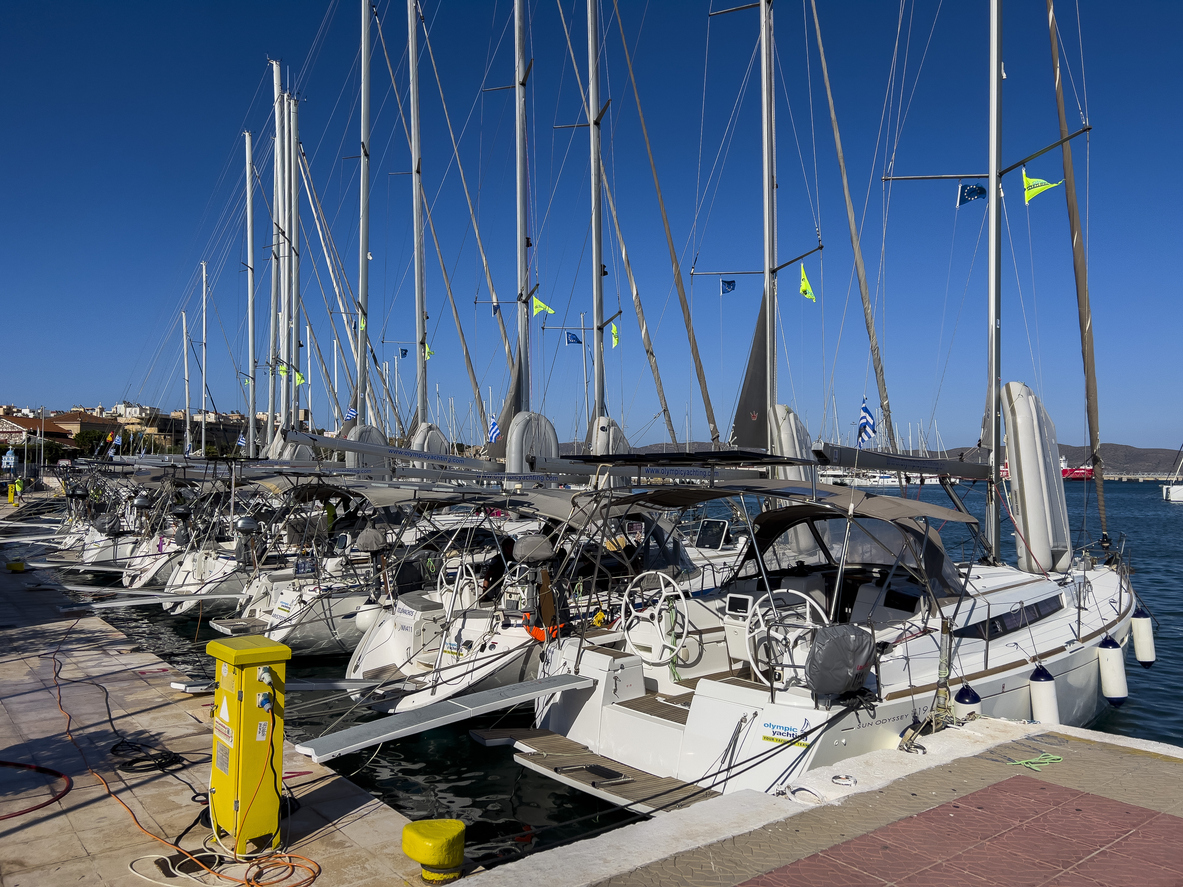
Fleet changes are easy to overlook because they happen gradually. A business that started with a handful of personal watercraft (PWC) may now rent pontoons, deck boats, or center consoles. It may have replaced older units with newer, higher-value models or added more vessels.
Compare the current fleet against the vessel schedule on file, checking quantities, classes, and values. The schedule should accurately reflect the business’s physical-damage exposure and the applicable hull coverage. Eligibility may vary by vessel class. Fleet reviews are also a good moment to ask about maintenance and upkeep practices for new additions.
Have Rental Activities or Passenger Arrangements Changed?
How customers use the watercraft can shift as a business looks for new revenue, and that, too, can affect a policy. An operator might add towing for tubing or wakeboarding, extend rental periods from hours to full days, begin renting larger boats that carry more passengers, or offer tours involving personal watercraft (PWC) — which rank among the top vessel types involved in recreational boating incidents.
Each of these changes can affect how the business’s vessels may be damaged and how liability for bodily injury or property damage involving renters, passengers, or other third parties may arise. Identify what has changed in rental activities and passenger arrangements, and bring those details to underwriting.
Are Vessels Operating in New Areas?
Geography can affect a policy. A business might open a second launch location, move from a protected lake to a busier waterway, or widen the boundaries within which customers may operate.
Verify where rental watercraft actually operate, including launch sites, waterways used, and any customer-operating boundaries the business sets. Then communicate material geographic changes to underwriting. Whether a particular operating area is acceptable depends on the applicable policy terms and underwriting requirements.
Check the Current Submission
An account review should reflect the business’s current fleet, customer activities, and operating territory, not just the information originally provided.
A change doesn’t always call for additional coverage or alter existing protection, but underwriting can only evaluate what it knows. Compare the actual operation against the existing account information, and communicate material discrepancies or changes. Accurate, current information is the foundation for evaluating any commercial boat rental insurance account.
About Merrimac Marine Insurance
At Merrimac Marine, we are dedicated to providing insurance for the marine industry to protect your clients’ businesses and assets. For more information about our products and programs, contact our specialists today at (800) 681-1998.