
Commercial Marine Programs and Equipment Movement: Inland Marine Issues in Spring
April 21, 2026
Spring is one of the busiest seasons in the marine industry. If you’ve worked with your clients around this time, you know: Marine contractors mobilize for new projects, shipyards ramp up vessel work, and terminals increase as waterway activity picks up.
It’s a busy but incredibly risky time for marine contractors. Equipment moves between job sites, contracts expand in scope, and operations that were dormant over winter spring back to life. This seasonal surge can invite accidents, and for you, it creates a critical window to review your clients’ commercial marine programs and address inland marine exposures before gaps in coverage become claims.
Equipment Transit Creates Coverage Gaps
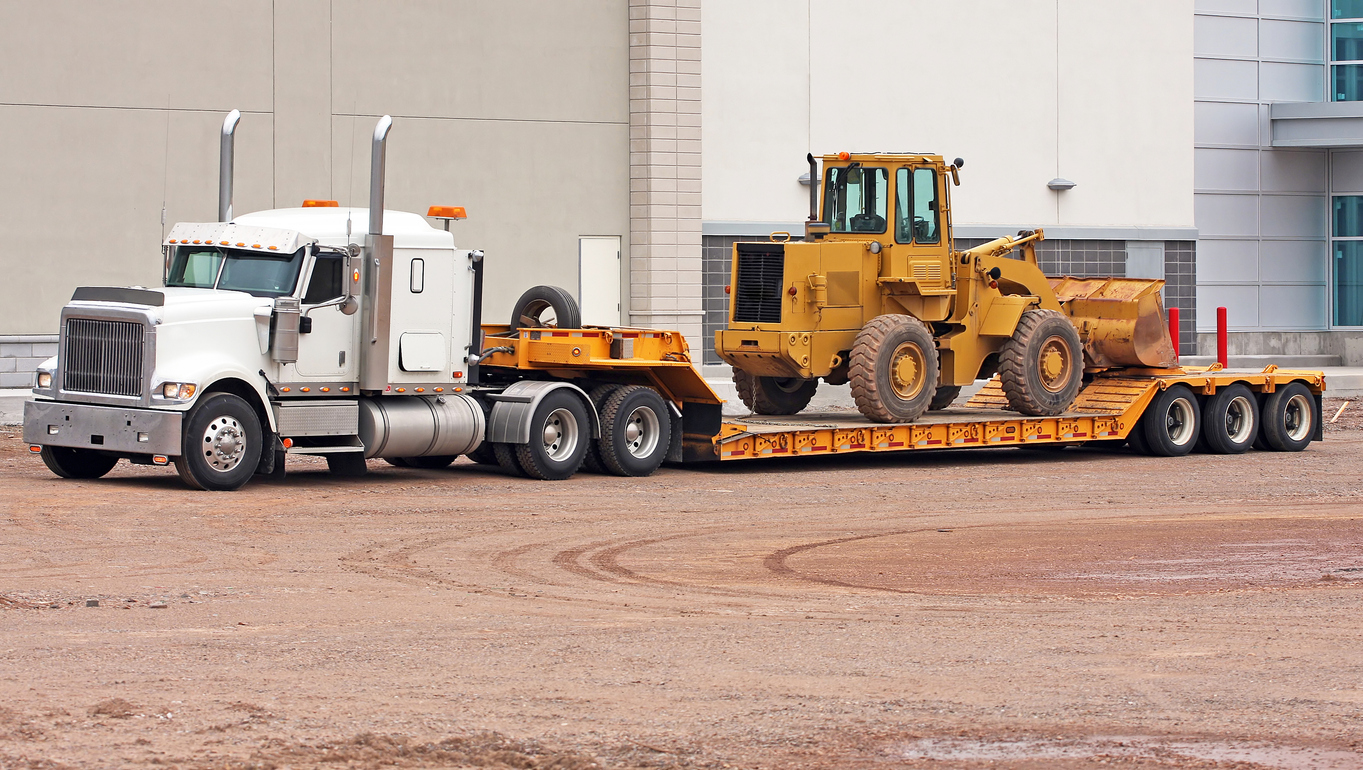
When cranes, tools, and specialized marine equipment move from one job site to another, inland marine exposure increases significantly — especially when that movement crosses multiple regions or territories. Equipment in transit is vulnerable to physical damage, theft, and loss in ways that stationary property is not, and standard commercial property policies often don’t follow equipment off-premises.
Within commercial marine programs, several coverages address these exposures. For instance:
- Inland marine policies protect mobile equipment and tools in transit or at temporary locations.
- Contractors equipment coverage applies to owned and rented machinery used at job sites.
- Installation floaters cover materials and equipment during the course of a project.
Each of these can be written on a scheduled or blanket basis, and both approaches have trade-offs that agents should understand before advising clients on which structure fits their operations.
What Is a Commercial Inland Marine Policy?
A commercial inland marine policy covers mobile property — equipment, tools, and materials — while it’s in transit or temporarily located away from a fixed premises.
For marine contractors, dredging companies, and terminal operators, this type of coverage is essential during spring mobilization, when assets are constantly on the move. Agents should confirm that their clients’ inland marine policies accurately reflect current equipment schedules, replacement values, and the geographic territories where work is being performed.
What Is Not Eligible for Coverage?
Not all equipment qualifies for inland marine coverage. Property that is permanently installed, assets that haven’t been documented on policy schedules, and equipment operating outside declared territories can fall outside the scope of coverage.
Agents shouldn’t assume that coverage automatically follows equipment wherever it goes. For instance, a crane relocated to a new job site, such as an AI data center (which are seemingly being built just about everywhere lately), may not be covered during transit or at that location if the policy hasn’t been updated to reflect the move.
Before spring projects begin, you’ll want to verify your client’s equipment schedules, transit limits, and geographic territories directly with carriers.
Job Site Changes Impact Marine Insurance Programs
Spring often brings new project sites and expanded scopes of work. A marine contractor might move from maintenance dredging to new dock construction; a terminal operator might take on vessel servicing that wasn’t part of last year’s submission. These operational shifts change the risk profile, affecting inland marine, general liability, and property exposures within commercial marine programs.
When a client takes on higher-risk work without notifying their insurer, they risk exclusions, inadequate limits, or pricing discrepancies at renewal or upon a claim.
As a best practice, work with your clients at the start of each season to confirm that all active job sites, current scopes of work, and contract requirements are accurately reflected in policy declarations and underwriting submissions.
Storage and Staging Risks Increase
Between projects, equipment often sits at temporary yards, docks, or staging areas that lack the security and environmental protections of a permanent facility. There’s concentrated exposure to theft, weather damage, and environmental risks — all commonly overlooked coverage issues in commercial marine programs.
Inland marine coverage may respond to mobile equipment in storage, but whether it does depends on the policy terms, the location’s characteristics, and the security measures in place. Some risks may overlap with property coverage, creating potential gaps or disputes about which policy applies. High-value equipment staged in a flood-prone or unsecured area without updated valuations can result in partial payment or a denied claim.
Nobody wants that. Agents should evaluate storage conditions and environmental hazards for each location where client equipment will sit during the spring season, and confirm with carriers exactly how coverage applies in each scenario.
Align Coverage With Movement
Equipment transit, job site changes, and temporary storage all shift inland marine exposures within commercial marine programs — and those shifts occur quickly in the spring.
But agents who take a proactive approach to policy review before the season begins will be better positioned to advise clients accurately and help them avoid coverage surprises. Making sure your clients understand why up-to-date commercial marine insurance is critical is the first step.
As a specialist managing general agent, Merrimac Marine Insurance brings deep expertise across marine contractors, terminals, dredging operations, and vessel-related risks. Our access to leading markets and flexible underwriting means we can help you find solutions that align with how your clients are actually working now — and not how they worked last year.
About Merrimac Marine Insurance
At Merrimac Marine, we are dedicated to providing insurance for the marine industry to protect your clients’ business and assets. For more information about our products and programs, contact our specialists today at (800) 681-1998.