
Finished Stock Exposure in Recreational Boat Builder Insurance
April 23, 2026
For insurance agents serving the marine manufacturing sector, finished vessels represent some of the most significant and most overlooked assets in a builder’s operation. But the moment a boat builder completes their work, the vessel may not actually be finished. The job isn’t truly done until they have recreational boat builder insurance that protects the finished vessel.
After all, a completed boat sitting on the yard or in a showroom carries its full market value — and a full range of exposures to match. With the recreational boating market holding steady, understanding how finished stock affects recreational boat builder insurance is essential to protecting clients and preventing costly coverage gaps.
Finished Boats Create Inventory Risks
How does finished stock exposure affect recreational boat builder insurance? It touches nearly every part of the program: property, transit, liability, and operational practices. Agents who understand these connections are far better positioned than an agent who doesn’t.
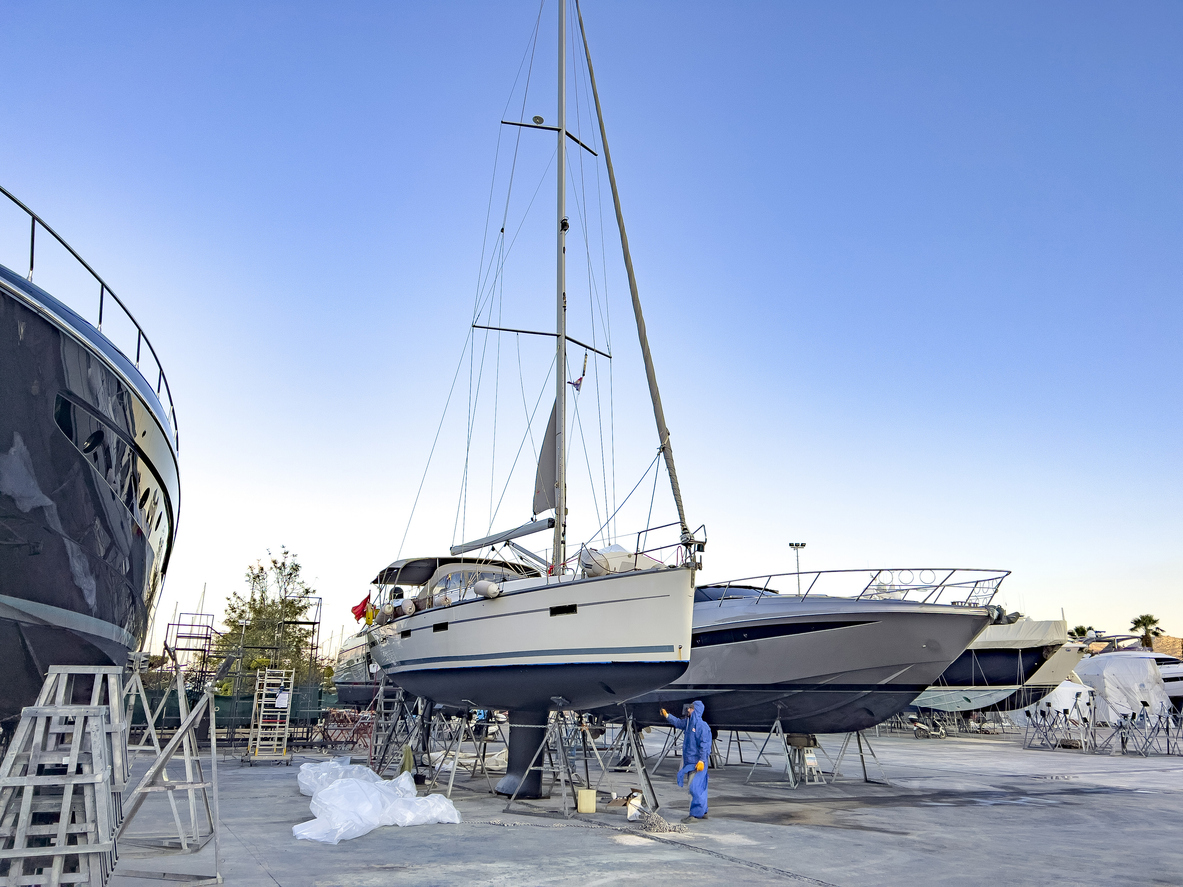
Boats stored outdoors face theft, vandalism, and weather-related damage. During high-wind or flood seasons, finished inventory stored in low-lying or unsecured areas can sustain significant losses. That’s especially true if coverage limits haven’t been updated to reflect the current number of boats on hand or their actual replacement values.
Relevant coverages within a recreational boat builder insurance program include inventory and business personal property, builders risk policies transitioning to finished stock, and protection for piers and docks where vessels may be staged. Agents should confirm that declared limits reflect the current inventory level and that storage locations are accurately documented in the policy.
Defining Finished Stock Exposure
Finished stock refers to completed boats that are ready for sale or delivery but remain on the builder’s premises or in transit to a customer.
This distinction matters because builders risk coverage, which applies during construction, typically ends at completion. Without a clear handoff to finished stock or inland marine coverage, there can be a gap in protection precisely when boats hold their highest value.
Agents who understand this transition can ensure their clients don’t fall into the abyss.
Transit and Sea Trials Introduce Risk
Moving a finished vessel — whether by transport truck, trailer, or water launch — creates new exposures that differ from stationary storage risks. An uninsured collision during delivery or an incident during a sea trial can result in damages that fall outside standard property coverage.
Recreational boat builder insurance programs should address these exposures through hull and marine coverage, protection and indemnity (P&I), and commercial automobile coverage for overland transport. Agents should verify that all vessels currently in transit or scheduled for sea trials are properly listed in the policy and that transit limits are sufficient for the vessels’ current values.
Operational Practices Affect Coverage
How finished boats are handled on the premises matters as much as where they’re stored.
Plenty can go wrong: Improperly secured lifts, unstable staging, or inadequate dock maintenance during storage or pre-delivery prep can lead to damage as well as potential liability if third parties are involved.
Relevant coverages include general liability, marina operators legal liability, and ship repairers legal liability, particularly when work continues on a vessel after technical completion. Agents should review current yard procedures and confirm that policies reflect how finished inventory is actually being handled day to day.
Managing Finished Stock Strengthens Coverage
Proactive inventory management, careful transit planning, and sound operational practices all influence how recreational boat builder insurance performs when a claim occurs. Before reviewing a client’s program, agents should work through a few key questions:
- Are finished boats properly documented and scheduled in the policy?
- Are transit and storage risks, including geographic locations and security conditions, accurately reflected?
- Do current operational practices align with the requirements and assumptions in existing policy terms?
As a specialist managing general agent, Merrimac Marine Insurance brings deep experience with the unique exposures that recreational boat builders face across every stage of production. Our flexible underwriting and access to leading markets allow us to help agents build programs that keep pace with how their clients actually operate.
Contact us today to review your clients’ finished stock exposures so you can help them ensure their recreational boat builder insurance coverage is ready for the season ahead.
About Merrimac Marine Insurance
At Merrimac Marine, we are dedicated to providing insurance for the marine industry to protect your clients’ business and assets. For more information about our products and programs, contact our specialists today at (800) 681-1998.