
Hazards at Marinas: Claims Trends That Impact Long-Term Insurance Costs
February 26, 2026
Marina insurance pricing isn’t shaped by a single renewal or one bad year. It reflects the claims carriers see across the sector over time, including frequent operational losses and less common but severe catastrophe events. It’s worth reminding yourself to stay caught up on claims trends in marina insurance, because as rates continue to climb, your clients will have questions.
Even the most well-run marinas can face higher costs if claims trends harden the market. That reality makes proactive coverage planning and risk conversations essential.
The Claims That Show Up at Marinas
Certain loss types appear consistently across marina portfolios and drive claims frequency. Slip-and-fall incidents on docks, ramps, and wet surfaces remain common, particularly during busy seasons or poor weather.
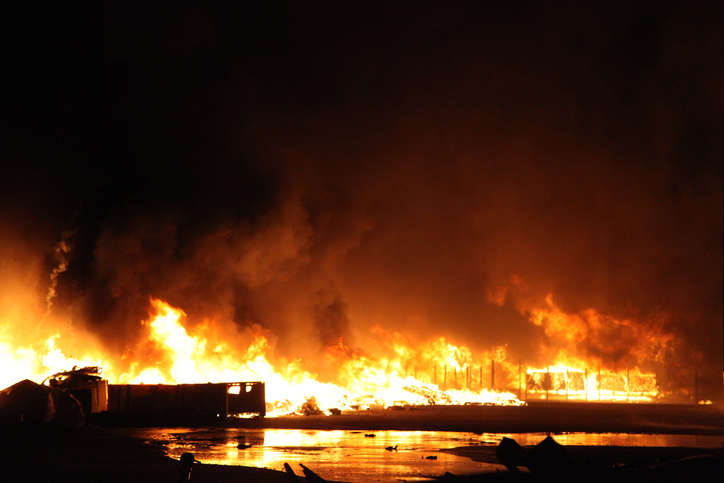
Fire and electrical losses are another frequent concern. Shore power connections, battery charging, aging wiring, and improper electrical modifications can all lead to fires with significant damage potential.
Property damage from docking incidents is also routine, especially in congested waterways or during high-traffic periods. Theft and vandalism involving outboards, electronics, tools, and equipment contribute to recurring losses, too. Pollution incidents, including relatively small fuel or oil spills, can generate outsized cleanup costs due to environmental response requirements.
Individually, these claims may seem manageable. Over time, they compound loss history and influence underwriting decisions.
Catastrophic Events and Why They Change the Renewal Conversation
Catastrophic losses are less frequent, but they often reshape the entire market — and are expected to make insurance more expensive in the coming years. Named storms, storm surge, flooding, and large-scale marina fires all can lead to total losses across multiple locations.
After major events, carriers often reassess their exposure to marinas as a class. Agents may see reduced capacity, higher deductibles for wind or flood, increased retention, sublimits, and stricter protection requirements, even for marinas without recent losses.
These changes are not always tied to a single client’s performance. They reflect broader market response to aggregated catastrophe losses.
How Underwriters Translate Claims Trends Into Pricing and Terms
Underwriters evaluate both frequency and severity when pricing marina insurance. Frequent smaller claims can erode loss ratios over time, while a single severe loss can trigger immediate tightening.
Loss history is reviewed alongside risk quality indicators. Maintenance practices, electrical inspections, fire protection systems, storm preparedness plans, and contractor controls all influence underwriting confidence.
As exposures grow more complex, problems can overwhelm standard policies — and may no longer provide adequate structure. In those cases, agents may need to explore more tailored solutions.
Agent Checklist: Questions That Uncover Cost-Driving Exposures
Agents can learn a lot about their clients and how they protect themselves from having to file claims by asking targeted questions. A few suggestions:
- Where is the marina located, and how do wind and flood exposures factor into site risk?
- How is shore power maintained, inspected, and documented?
- Are fuel docks present, and what plans are in place to prevent and respond to spills?
- What fire protection measures exist, including extinguishers, hydrants, and emergency access?
Loss history should be reviewed carefully, and that process can invite more questions:
- What claims have occurred, and what operational changes followed?
- How are contractors, vendors, and service providers managed from a contractual risk standpoint?
These discussions will guide you on how to best build your client’s coverage structure.
Managing Cost Through Better Risk Conversations
Long-term marina insurance cost reflects cumulative claims trends, including everyday losses and catastrophic events that harden the market. But agents who can show clients how to safeguard their marinas against accidents and extreme weather can help slow down the trend of higher insurance premiums.
Meanwhile, consider partnering with a marine-focused specialist such as Merrimac Marine Insurance. With our help, you can review marina exposures, structure coverage appropriately, and prepare for renewal scrutiny.
About Merrimac Marine Insurance
At Merrimac Marine, we are dedicated to providing insurance for the marine industry to protect your clients’ business and assets. For more information about our products and programs, contact our specialists today at (800) 681-1998.