
How Changes in Ship Repair Work Should Trigger an Insurance Review
November 18, 2026
As their operations evolve, ship repairers may take on different projects, adopt new repair methods, or bring in new materials and equipment. Changes in day-to-day operations can affect the activities and exposures an insurer evaluates. If you’re working with a client who does ship repair, look beyond what they do and ask how their work has progressed over time. How they used to work during an earlier review may look a lot different today.
What Has Changed in the Repair Work?
Changes can take many forms. A yard that once handled routine maintenance and repair might begin building and outfitting vessels, take on larger refurbishment projects, or expand into structural repairs and conversions. It might introduce new equipment, adopt different welding or coating techniques, or start working with unfamiliar materials.
Composite materials offer one example. A repairer accustomed to steel or aluminum hulls who begins repairing fiberglass or other composite components has changed more than the materials list. But composites are only one possibility; a new blasting process, a larger lift, or a shift toward a different vessel type can also affect coverage needs.
Compare your client’s previous activities with its current scope of work, including the vessels, components, materials, and processes involved. The significance of a change depends on the actual work being performed and not simply on whether a material or technique is new to the business.
What Should Agents Consider During a Review?
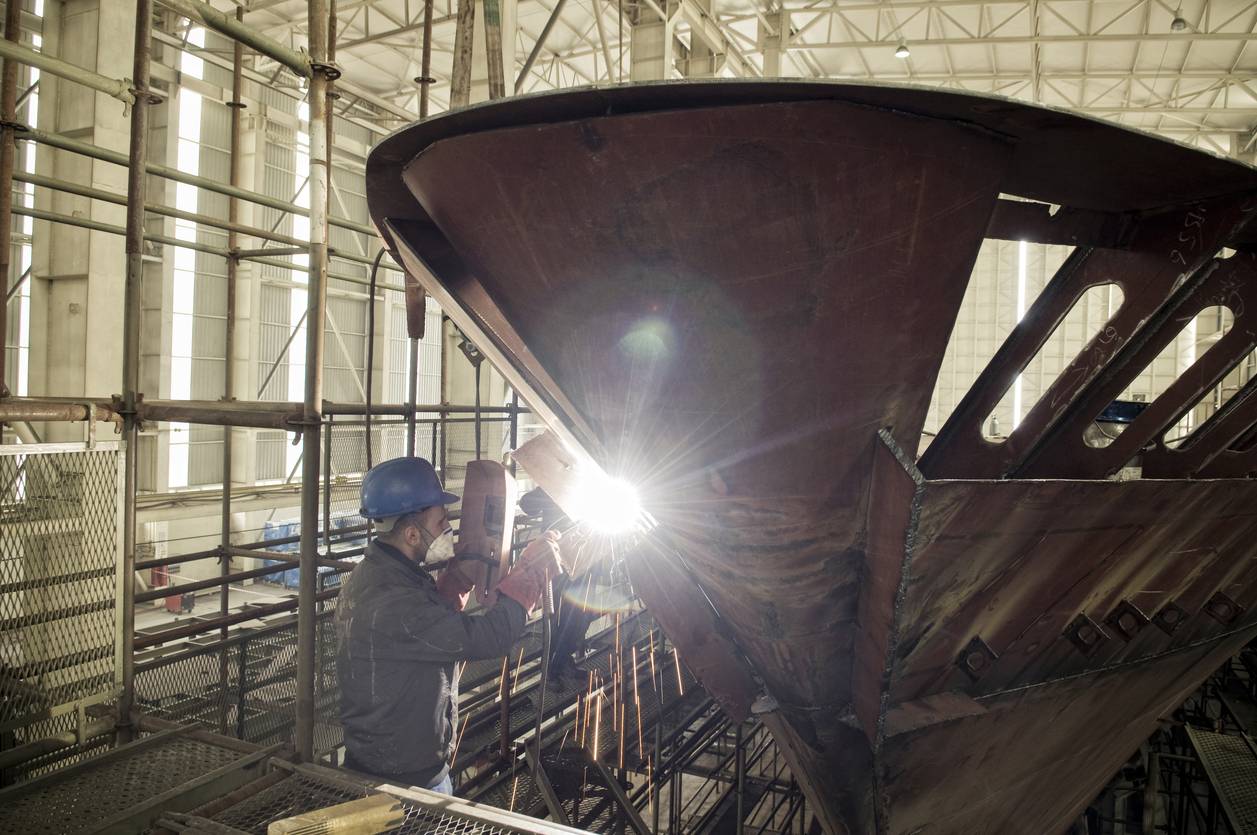
Let’s suppose a repairer begins offering composite hull repairs. That single service may involve new resins and solvents, different application and curing methods, additional ventilation or dust-control equipment, and revised work procedures. The Occupational Safety and Health Administration’s shipyard employment resources note that fabrication work can involve hazards such as toxic substances, hazardous atmospheres, and fires and explosions. New materials or processes may change how those hazards present themselves.
Then consider whether the change affects the business’s existing property or liability exposures, depending on the nature of the work.
- Customer property: Does the new work keep customer vessels in the yard longer or involve more valuable components, triggering care, custody, and control considerations?
- Completed work: Does the repairer now perform work, such as structural repairs, where questions about workmanship could surface after a vessel returns to service?
- Pollution: Do new materials, coatings, or solvents change how the business stores, uses, or disposes of potentially hazardous substances?
Not every change affects every exposure. The goal is to identify the ones that reasonably could and to make sure your client’s coverage still offers protection.
What Should Agents Share With Underwriters?
Gather specific information about what has changed, including materials, equipment, techniques, services, vessel types, and work processes. Clarify whether the business has expanded into conversions, reconstruction, non-marine fabrication, or work at additional locations.
Establish a clear timeline: what the business did previously, what it does now, and when the change occurred. Those details help underwriting evaluate the business’s current operations and determine whether any aspects of its existing insurance program or policy terms warrant further review.
Make Operational Changes Part of the Review
A change doesn’t automatically mean a ship repairer’s current program falls short or that additional coverage is necessary. That said, a thorough review of a ship repairers insurance policy allows you to evaluate the business’s actual operations and communicate those details so underwriting can assess them accurately.
For additional help guiding your clients to the right ship repairers insurance program, contact Merrimac Marine Insurance.
About Merrimac Marine Insurance
At Merrimac Marine, we are dedicated to providing insurance for the marine industry to protect your clients’ businesses and assets. For more information about our products and programs, contact our specialists today at (800) 681-1998.