
Marine Contractors: Managing Overlapping Project Risks
May 11, 2026
Peak season for marine contractors rarely arrives one job at a time. A single firm may be driving piles for a municipal pier, finishing a private dock rebuild, and mobilizing a barge crew for a bulkhead repair, all in the same week. That is the operating reality that marine contractors insurance has to reflect.
Most coverage gaps emerge at intersections and not on any individual project. So, the best marine contractors insurance policy will reflect real-time concurrency of operations and not static annual assumptions.
In other words, risk isn’t driven by volume alone. It’s driven by volume all at once: overlapping workstreams that involve equipment, crews, and contracts, all in motion simultaneously.
Stacked Projects Strain Equipment Floaters
Marine contractors typically deploy equipment across multiple active job sites at the same time, putting pressure on equipment floaters and installation floaters. Aggregate limits, scheduled equipment lists, and site assumptions written before peak season can fall out of alignment within the first few weeks of summer.
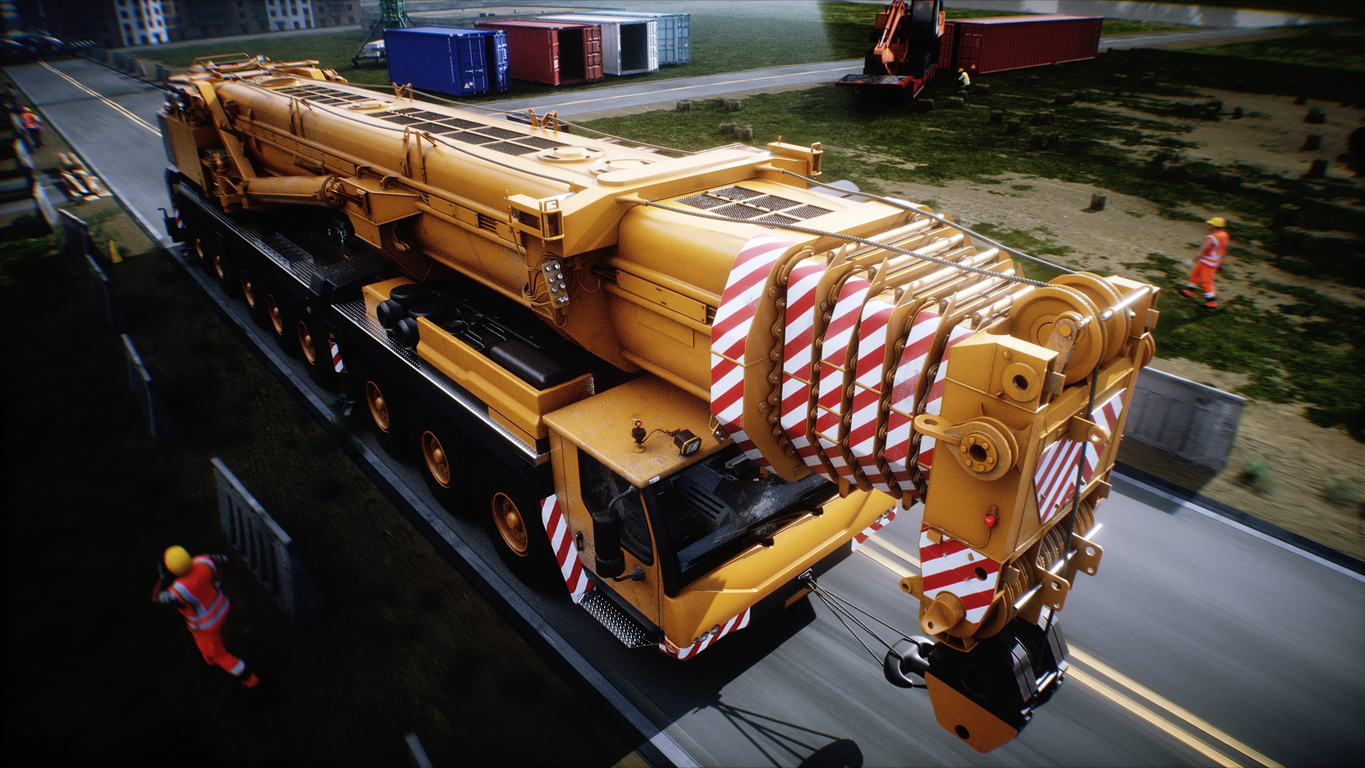
Imagine a scheduled crane damaged in transit between two job sites. The contractor’s equipment floater treats it as in-transit; the project’s installation floater treats it as off-site. If something goes wrong, the loss can fall into the gap.
Equipment schedules need a mid-season touch, not a renewal-only review. Agents should confirm current deployment with their clients before their peak workload and not a moment after.
Crew Mobility Creates Coverage Confusion
Within the same pay period, a single crew might rotate from a Jones Act barge job to a USL&H (United States Longshore & Harbor Workers’ Compensation Act) bulkhead job to a state workers’ compensation fabrication shop. That mobility is normal across domestic marine operations. But the resulting classification confusion can show up at claim time, when a dock injury triggers a dispute over whether USL&H or the state’s workers’ compensation applies.
Three questions that every agent should pose to their marine contractor clients before the season ramps up:
- Where is each crew physically working per project?
- Is MEL/USL&H exposure correctly assigned?
- Are crew classifications consistent across job sites?
Contract Density Erodes Risk Transfer
More simultaneous projects mean more active contracts, which often means overlapping indemnity clauses and inconsistent certificate of insurance (COI) collection. The risk-transfer failures that follow arise from misalignment between contract language and actual policy scope across multiple jobs, an issue that compounds on multi-phase dock and pier projects.
Say a subcontractor causes pollution or property damage at one site. But liability shifts back to the prime contractor because COIs, additional insured language, and indemnity terms were never aligned across the full slate of active contracts. Agents should verify COIs, additional insured status, and indemnification terms before each new project starts.
Why Project Stacking Exposes Gaps In Marine Contractors Insurance
Seasonal risk for marine contractors compounds. Equipment, crews, and contracts all move at once. Marine contractor liability insurance gaps typically trace back to outdated equipment assumptions during peak deployment, crew classification breakdowns across jurisdictions, and fragmented contract risk transfer across multiple jobs.
Here’s a short pre-season checklist of questions to ask marine contractor clients:
- Has your equipment deployment been updated for peak season?
- Are crew roles and jurisdictions mapped per project?
- Is contract risk transfer consistent across all active jobs?
Merrimac Marine Insurance helps agents structure marine contractors insurance programs to match how their clients actually work in peak season. Call us if you’d like an assist before you walk through your clients’ accounts. You’re there to help your clients manage risk, and we’re here to help you help them.
About Merrimac Marine Insurance
At Merrimac Marine, we are dedicated to providing insurance for the marine industry to protect your clients’ businesses and assets. For more information about our products and programs, contact our specialists today at (800) 681-1998.