
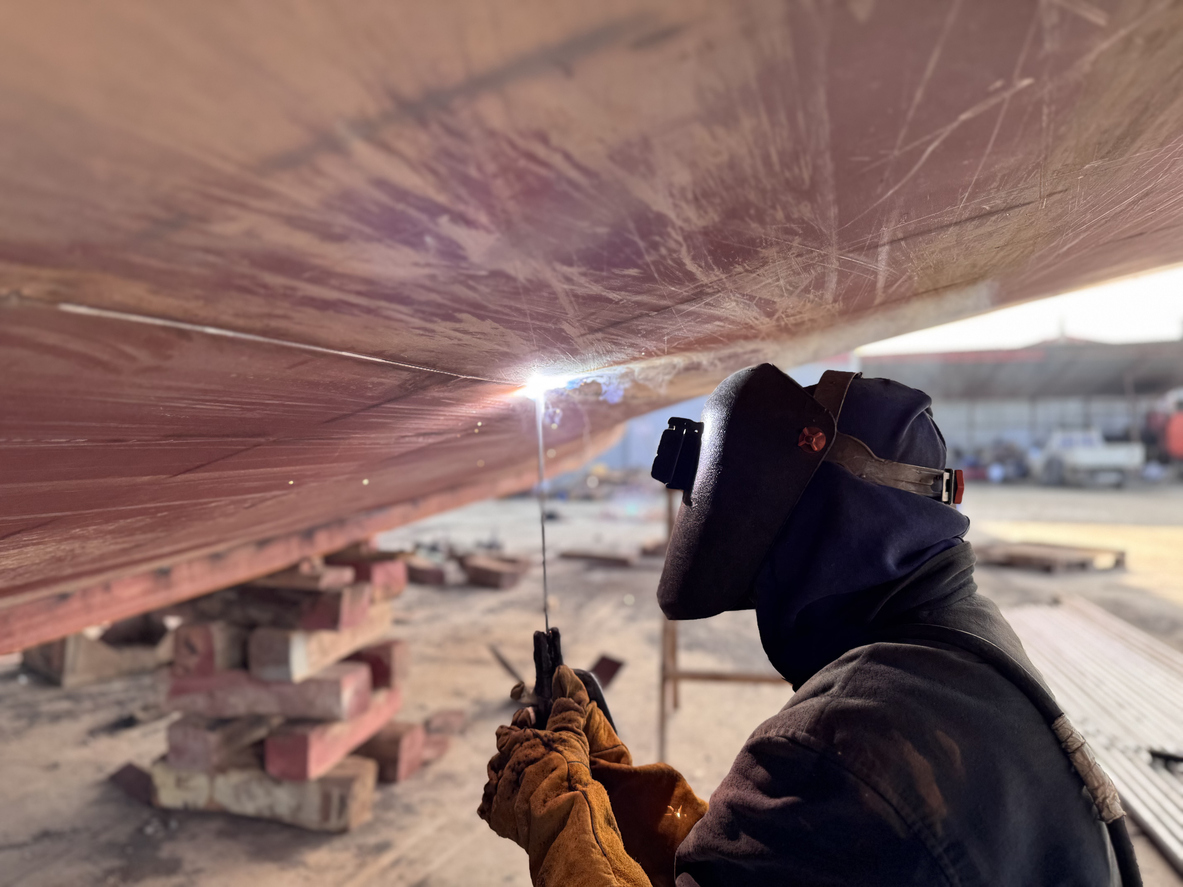
Marine Liability Insurance Coverage for Ship Repairers: What Agents Should Review
September 8, 2026
A ship repairer’s liability does not end when the invoice goes out. It follows the vessel — into the dry dock, out to a customer’s berth, through a sea trial, and sometimes into a casualty weeks after the crew packed up. If something goes wrong, marine liability insurance coverage can keep a ship repairer afloat.
Agents working with clients need to consider a host of issues: what is being repaired, whose vessel or property is involved, where the work occurs, whether the vessel or property is moved or tested, and what could happen after the work is completed. Start with the following questions.
Where Does the Repairer Work?
When talking to your client, start with the customer vessels in the repairer’s care, custody, or control. A repairer that hauls out, stores, or works on vessels it does not own assumes responsibility for someone else’s property, making this a key exposure to identify early in the review.
Next, ask whether the repairer performs work at third-party locations, such as marinas, customer docks, or other yards. Work that occurs away from the repairer’s usual premises can introduce conditions the repairer does not control.
Agents should also ask whether the repairer transports or otherwise moves vessels, equipment, or customer property as part of its operations and who bears responsibility during that movement. Finally, note the type of repair work involved. Engine, electrical, welding, structural, and other specialized work can each influence the account’s liability considerations.
What Happens During and After Repairs?
Many repairers conduct sea trials or other testing before returning a vessel to its owner. Ask who will operate the vessel, how far it will travel, where testing will occur, and what the repairer plans to test while underway. These details help clarify the repairer’s exposure while a customer’s vessel is under its control and away from the repair facility.
A repairer’s exposure does not necessarily end when the vessel leaves the yard. Completed operations can create liability concerns if a vessel later experiences damage allegedly related to the repair. Consider a repairer that replaces a fuel line on a charter boat. Weeks later, the boat suffers an engine room fire, and the owner claims the new fitting failed. Even if the repairer disputes the claim, the allegation itself can lead to a costly dispute.
Depending on the operation and policy terms, ship repairers legal liability and products-completed operations liability may warrant review.
What Other Exposures Follow the Work?
Repair activities often involve fuel, oil, chemicals, solvents, and other pollutants. Ask how the repairer stores and handles these materials. You wouldn’t want your client to run afoul of federal law; the U.S. Environmental Protection Agency has strict regulations about oil spills.
Employee activities deserve attention, too, particularly when employees work aboard vessels or on or near navigable waters.
These exposures may require a review of applicable workers’ compensation, USL&H, or other maritime employee coverage considerations.
Review the Entire Repair Operation
A ship repairer’s liability profile depends on the full lifecycle of its work, not simply its classification as a repair business.
An effective review looks at the repairer’s pollution potential and employee activities alongside the vessels in the repairer’s care, where the work happens, how the repairer moves and tests vessels, and what exposures remain after completion.
Understanding how the repairer actually operates will help you identify areas of the marine liability program that may require closer review. Reach out today to learn more about Merrimac Marine Insurance’s ship repairers program.
About Merrimac Marine Insurance
At Merrimac Marine, we are dedicated to providing insurance for the marine industry to protect your clients’ businesses and assets. For more information about our products and programs, contact our specialists today at (800) 681-1998.