
Ship Repairers and Growing Workloads: Liability Risks Agents Should Watch
June 29, 2026
Demand across the shipbuilding and repair industry keeps climbing. That’s good news for your clients — but it can turn into bad news if their ship repairers insurance hasn’t kept pace.
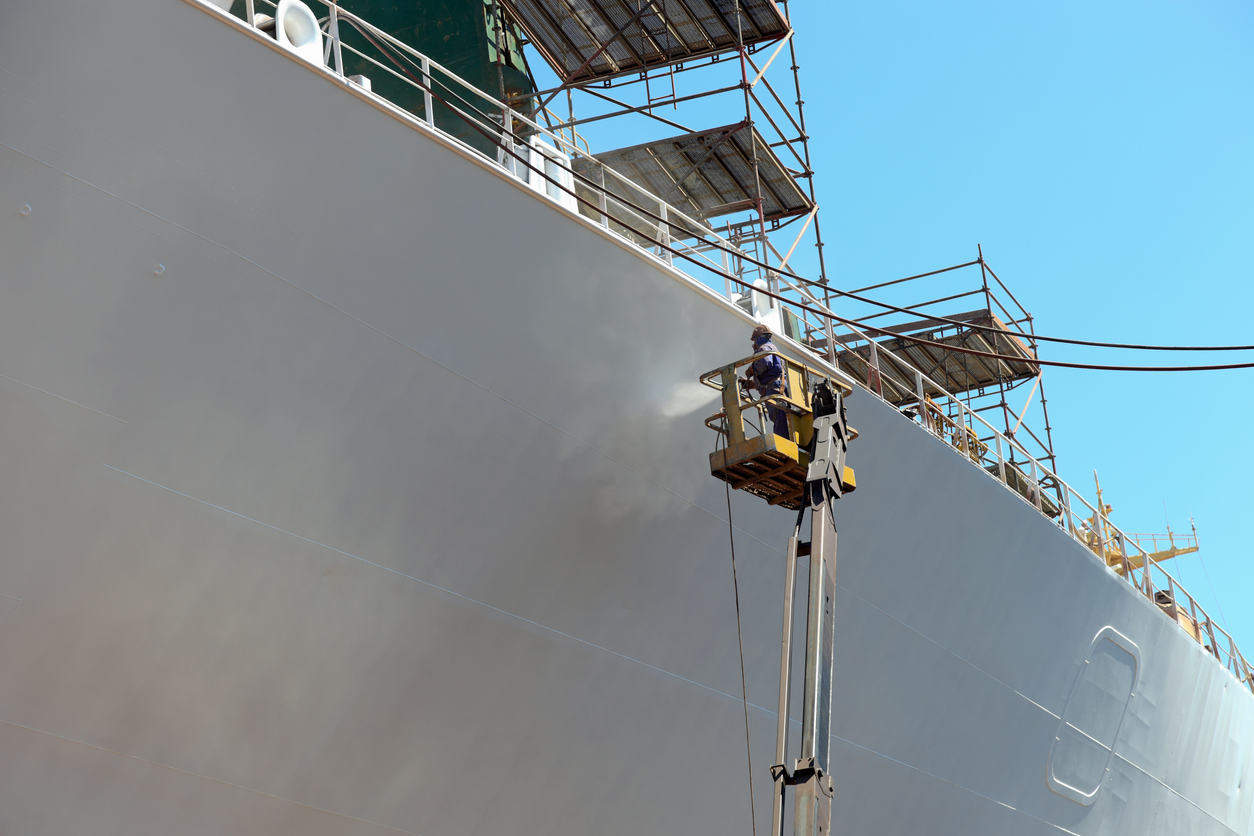
Retrofitting work tied to emissions compliance, ballast water treatment, and hull optimization is expanding alongside new vessel construction, and repair facilities are absorbing the pressure. Research puts the global shipbuilding and repairing market at $233.2 billion in 2025, on track to reach $414.3 billion by 2034 at a 6.6% compound annual growth rate.
But the work is outpacing the workforce. Welding, electrical, and marine engineering trades are all short on skilled labor, and clients want faster turnaround on top of it. Those gaps are where claims start — and where you can advise your clients before a loss instead of after.
What Happens When Repair Timelines Get Compressed?
An overworked, overtaxed shipyard is good for the bottom line, but it changes the operational landscape quickly. When several jobs run in parallel and customers are pressing for delivery, the temptation to compress quality control, defer inspections, or move a vessel back to the water before a final test cycle can become very real. Each of those shortcuts maps to a specific liability exposure.
Rushed repairs raise the likelihood of completed operations claims, which occur after the work has been delivered and the vessel is back in service. A weld that fails weeks later, an electrical fault that emerges on the next voyage, or a propulsion issue tied to incomplete commissioning all sit in that category. Sea trials and post-repair testing carry their own exposure, particularly when conducted under time pressure or with newer technicians at the helm.
What insurance do ship repairers need? Agents should confirm that their clients carry adequate ship repairer’s legal liability and completed operations limits and that those limits reflect the higher vessel values now passing through busier yards.
When Customer Vessels Create Larger Property Exposures
Ship repair facilities routinely hold multiple customer vessels on-site, in graving docks, on marine railways, alongside piers, or in covered work bays. The combined value of those vessels at any given moment can be substantial, and the legal posture is unambiguous: The repairer is a third party, with care, custody, and control of someone else’s property. Damage that occurs during that period falls into a specialized liability bucket.
Fire, flood, severe weather, theft, and incidents during haul-out or launch all become significant concerns whenever a yard’s storage volume climbs. A standard commercial general liability policy typically excludes or sublimits damage to property in the insured’s care, and a ship repairer’s legal liability policy exists specifically to close that gap.
In other words, limits should reflect the actual aggregate value of vessels on-site during peak periods and not a more sedate snapshot from earlier in the year.
Subcontractors & Temporary Labor Increase Liability Risks
When in-house crews can’t keep pace, repair facilities reach for subcontractors and temporary labor. Specialty welders, electrical technicians, coatings crews, and environmental contractors all become part of the operation on short notice, and the patchwork can introduce real liability concerns.
Subcontractor work that does not align with a yard’s internal procedures, training standards, or safety protocols can lead to inconsistent outcomes that become apparent only when something goes wrong.
Documentation is where many of these claims are won or lost. That’s where you can be an indispensable advisor to your clients.
Current certificates of insurance, additional-insured language, hold-harmless and indemnification provisions, and clear scopes of work all need to be in place before a subcontractor sets foot in the yard. Workplace safety practices, from confined-space entry to hot work permits, also shift under peak-season pressure, and a quick review with the client on supervision and procedures can prevent a workers’ compensation or general liability claim that might otherwise arrive in midsummer.
Are Insurance Reviews Keeping Up With Operational Changes?
Operations often look different at midyear than they did at the last renewal, especially if the ship repairers have an excellent reputation and are in demand.
You can and should ideally review with your clients:
- Operational growth
- Vessel values
- Repair capabilities
And while you hopefully won’t need to convince your clients that they need to be well-insured, if they do need a nudge, you can remind them of the risks of being a third party with custody of such expensive ships.
Just as your clients should be proactive with insurance reviews as part of a long-term marine risk-management strategy, you, too, can be proactive by working with Merrimac Marine Insurance to develop comprehensive ship repairer solutions.
About Merrimac Marine Insurance
At Merrimac Marine, we are dedicated to providing insurance for the marine industry to protect your clients’ businesses and assets. For more information about our products and programs, contact our specialists today at (800) 681-1998.