
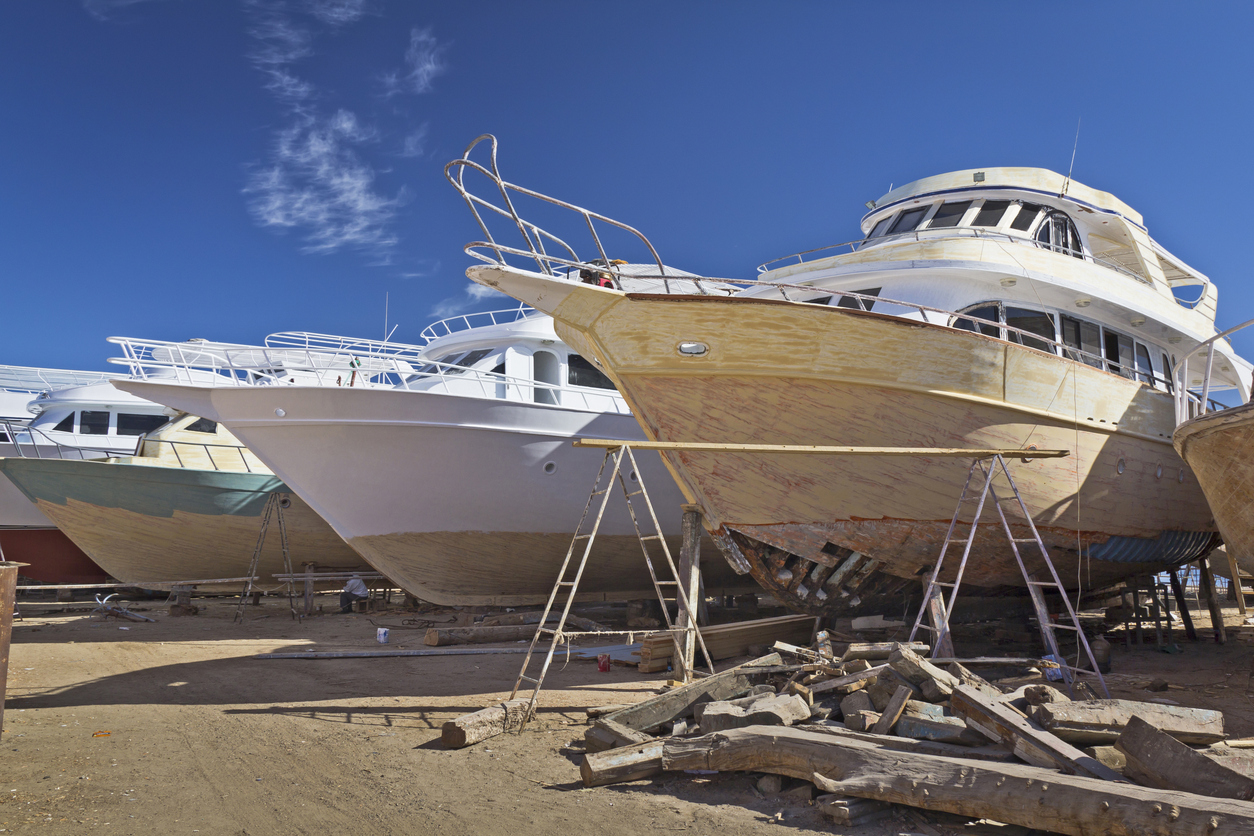
Ship Repairers and Tight Turnarounds: How Speed Impacts Risk
May 26, 2026
Owners want vessels back in service yesterday. Ship repairers feel that pressure on every job, with timelines compressing while scope, complexity, and regulatory demands hold steady. That’s the nature of the work — but a time crunch doesn’t shrink the risks. It amplifies them.
That’s why coverage needs to match the reality of the work. A job done under deadline pressure — with overlapping crews, compressed timelines, and less margin for error — carries different risks than the same job done at a normal pace. If the policy wasn’t written to account for those conditions, there may be gaps when it matters most.
Compressed Timelines Increase Handling Risk
Faster turnarounds require more frequent movement, repositioning, and handling of vessels and components. Each touch is another opportunity for physical damage under care, custody, and control. Errors become likelier when tasks run in parallel rather than in sequence.
Picture a hull repositioned between blasting and coating stages while a separate crew is still finishing prop work. A bump against a staging tower could crack a freshly coated section, triggering a claim that tests a ship repairer’s legal liability coverage.
Agents should evaluate whether underwriting reflects handling intensity under peak operational pressure, rather than the calmer baseline that may have been assumed at the last renewal.
Overlapping Work Creates Liability Confusion
Tight schedules often put multiple trades on the same vessel at the same time. Welders, electricians, painters, and mechanical crews can be working within feet of one another, and shared workspace makes it harder to isolate responsibility when something goes wrong.
Strong safety culture and risk controls certainly help, but they don’t fully resolve the underwriting question. If damage occurs during concurrent work, disputes over which party and which policy responds can stall a claim for weeks.
Agents should make sure the policy reflects how the yard actually runs — multiple jobs, multiple crews, often running at the same time — not just a list of individual services.
Workforce Pressure Impacts Coverage Lines
Accelerated schedules typically lean on extended shifts, rotating crews, and temporary labor. Fatigue and overwork, combined with unfamiliar workers and frequent role shifting, can increase both the likelihood of injuries and classification confusion across coverage lines.
Imagine a worker hired for in-shop fabrication who is pulled onto a vessel for two days to keep a project on track. But then there’s an injury on deck. What coverage should respond? The Longshore and Harbor Workers’ Compensation Act (USL&H)? Or the state’s workers’ compensation plan? Or perhaps maritime employers liability?
Agents should verify that workforce structure, roles, and jurisdictional exposure match actual working conditions during peak workloads, not the job descriptions filed at the start of the year.
Tight Timelines Expose Coverage Gaps
Tight turnarounds have a way of intensifying and compressing risks. The pressure of peak season surfaces misalignments in ship repairer insurance programs that looked fine on paper: more vessel handling, overlapping work, and workforce strain that blurs job classifications.
A few questions worth asking before the season ramps up:
- Does coverage reflect accelerated timelines and how often vessels are being moved?
- Are concurrent operations accounted for in the policy?
- Are workforce roles and classifications aligned with what people are actually doing?
Merrimac Marine Insurance partners with agents to keep ship repairer coverage aligned with how yards actually operate. If peak season is coming up for your clients, let’s talk before it gets there.
About Merrimac Marine Insurance
At Merrimac Marine, we are dedicated to providing insurance for the marine industry to protect your clients’ businesses and assets. For more information about our products and programs, contact our specialists today at (800) 681-1998.