
What No One Tells Marine Contractors About Liability Risk in Tidal Work Zones
August 18, 2026
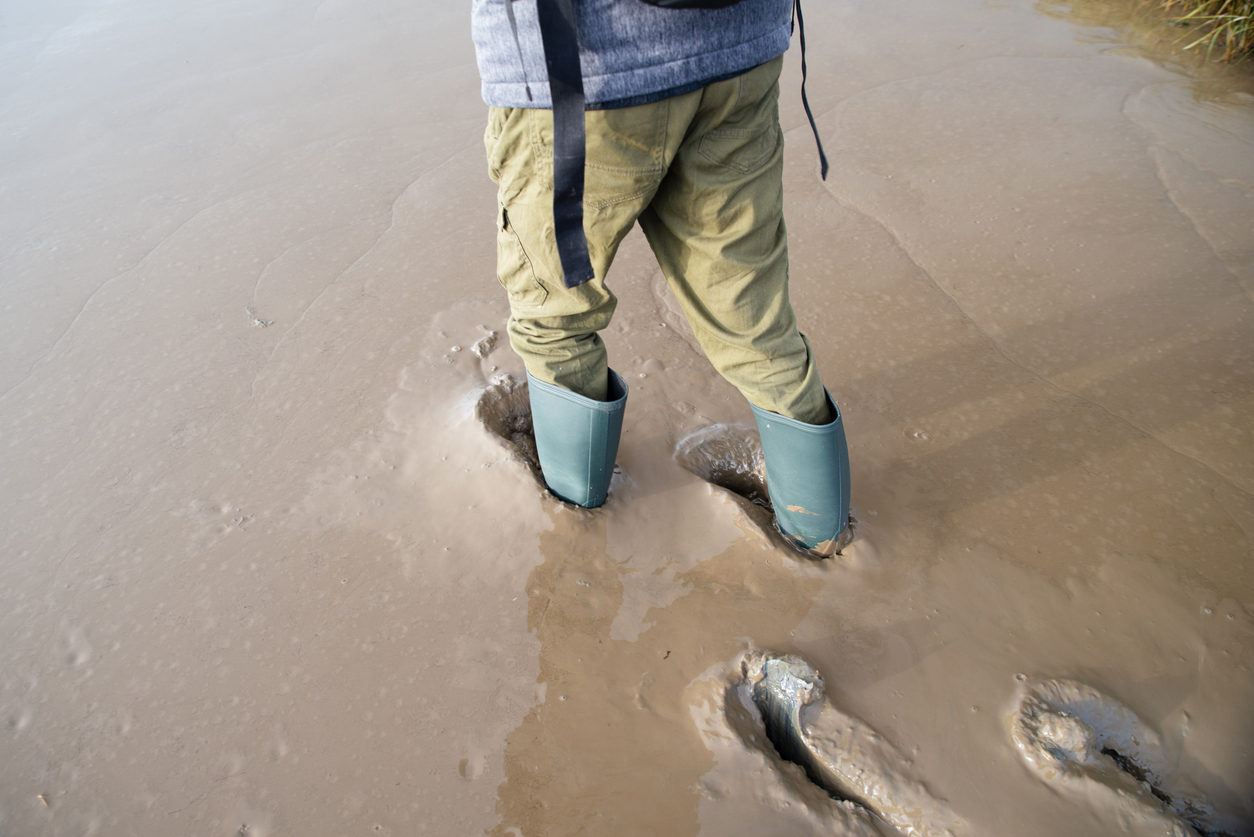
Liability discussions with marine contractors tend to focus on what’s being built. The worksite itself gets less attention, even though on tidal jobs it changes shape between morning and afternoon. Water levels rise and fall, access routes appear and disappear, equipment gets repositioned, and the ground that crews stood on at 7 a.m. may be underwater by noon.
Those shifts change what a contractor is exposed to over the course of a single day, which is worth working through when marine contractors liability insurance is placed or renewed. Here are three places where changing conditions drive the exposure and one question to ask before each.
Shifting Waterlines Blur Coverage Triggers
Marine general liability generally responds to work performed from watercraft, while marine contractors liability responds to property damage to marine structures. A falling tide can move the same crew, doing the same task, from one side of those lines to the other within a single shift. Where each line falls depends on the form, which is worth establishing at placement rather than after a loss.
Example Scenario
Rising water forces equipment relocation on a dock project shared with a municipality, a utility contractor, and nearby vessel owners. During the move, the contractor damages an adjacent contractor’s staged work area. Now there are multiple parties, overlapping contracts, and a carrier questioning which liability form responds to a loss that happened while the crew was moving equipment ahead of the tide.
Before the next tidal-zone project starts, ask your client: Do the liability forms respond consistently across both the dry-work and waterborne phases of the same job?
Tidal Cycles Strand Contractor Equipment
Contractor’s equipment coverage is written on an inland marine form. Standard scheduled-location floaters commonly limit or exclude property while waterborne, meaning gear staged on a barge, along a temporary causeway, or on an exposed flat may fall outside the coverage the contractor assumes it has. Waterborne exposure typically requires deliberate endorsement.
Example Scenario
A pump, compressor, or small excavator left on an exposed flat overnight is submerged by an unexpectedly high tide or a modest storm surge. The equipment becomes a total loss, and the claim is contested because waterborne exposure was never added to the floater.
Before the next equipment mobilization, ask your client: Is waterborne coverage endorsed on the equipment floater, and does it follow gear staged in the tidal zone?
Tidal Work Complicates Crew Classification
A crew working one tidal site can move between land-based and navigable-waters conditions several times in a shift — off a barge, onto a pier, out onto a flat at low water, back aboard when the tide turns. Those movements raise questions across USL&H, state workers’ compensation, and Jones Act or maritime employers liability considerations, depending on where the worker stood and what they were working from.
Example Scenario
A worker is injured on an exposed flat at low water. Whether the claim falls under USL&H or state workers’ compensation becomes contested, because the crew had been moving between the barge, the pier, and the flat all morning, and the record of what the worker was doing and what they were working from is thin.
Before the crew mobilizes, ask your client: Is every crew member’s classification mapped to the work they actually perform and what they perform it from, not just the project address?
Underwriting Tidal Work Zone Exposures
Tidal work zones don’t simply add a new exposure category. They make existing liability, equipment, and employee-coverage boundaries move twice a day — and a marine contractors liability insurance program has to absorb that movement.
The shoreline itself is also moving. Research published in Nature Communications found that U.S. tidal wetland loss is accelerating, with sea level rise responsible for most of the cumulative loss and extreme weather events driving the acceleration. Waterfront conditions your client worked around five years ago may not be the conditions they work around today.
Here’s an agent checklist of questions to ask your client:
- Before the next tidal-zone project starts: Do liability forms respond across both dry and waterborne phases?
- Before the next equipment mobilization: Is waterborne coverage endorsed?
- Before the crew mobilizes: Are classifications mapped to the tidal phase?
Build evolving waterfront conditions into your routine exposure reviews, before the next project bid goes out. Contact Merrimac Marine Insurance today to discuss coverage for your marine contractor accounts.
About Merrimac Marine Insurance
At Merrimac Marine, we are dedicated to providing insurance for the marine industry to protect your clients’ businesses and assets. For more information about our products and programs, contact our specialists today at (800) 681-1998.