
Yacht Clubs & Environmental Planning: How Sustainability Initiatives Affect Coverage
March 16, 2026
As yacht clubs adopt sustainability initiatives, they introduce new operational practices and infrastructure designed to reduce environmental impact. Yacht clubs may take steps toward improved fuel spill containment, enhanced waste-management systems, and dock upgrades. These initiatives do a lot of good, but how do they affect yacht club insurance coverage?
Sustainability measures can create evolving risk exposures both on land and on the water. At the same time, they may reduce certain risks through improved environmental controls and safer infrastructure. Agents should help their clients evaluate how environmental upgrades affect risk exposures and ensure yacht club policies reflect these operational changes.
Environmental Initiatives Affect Liability
Environmental programs frequently focus on pollution control and hazardous material handling, for good reason. The maritime industry accounts for 2% to 4% of global CO₂ emissions. That environmental impact has increased the focus on how yacht clubs manage fuels, chemicals, and waste — areas that can directly affect liability exposure.
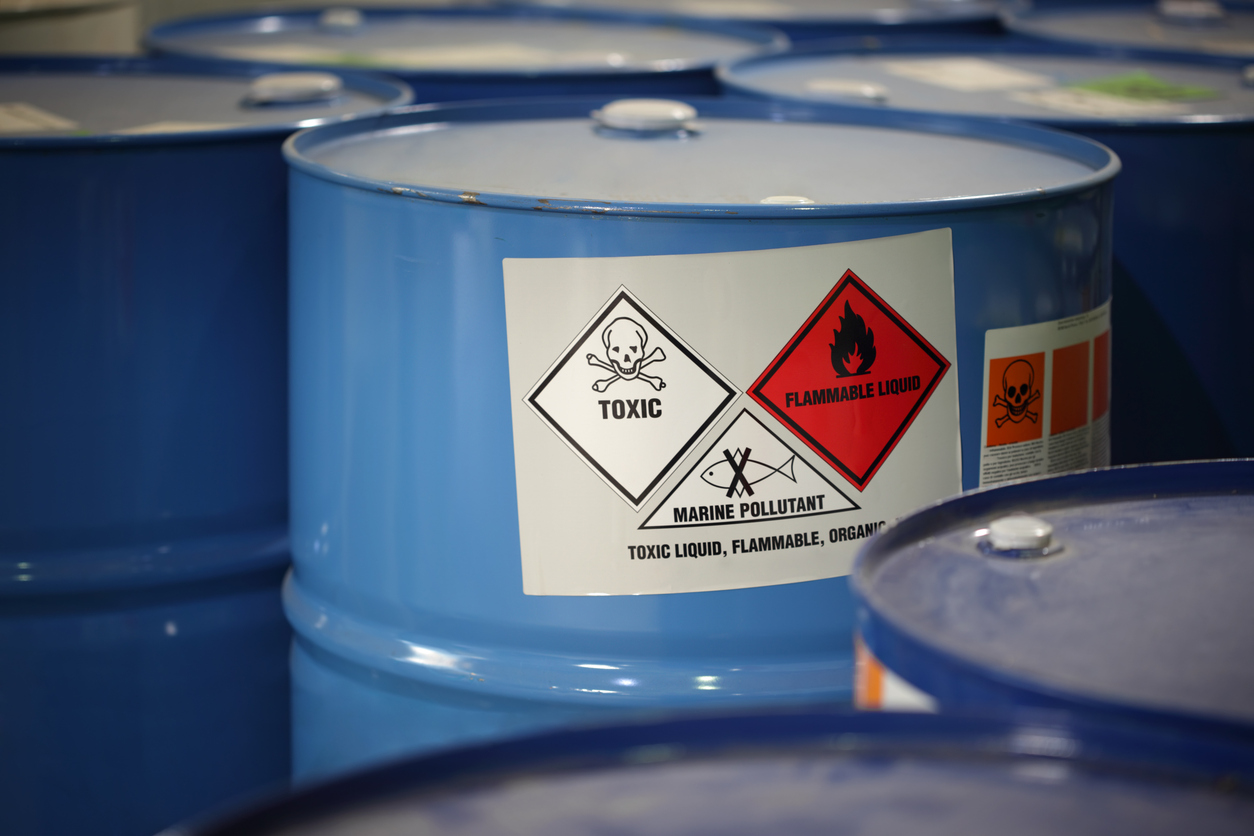
Improper storage of fuel or maintenance chemicals near piers, for example, may increase the risk of spills, contamination, or environmental claims. In some situations, these conditions could lead to underwriting restrictions or higher premiums if risk controls are inadequate.
Agents should evaluate whether a club’s environmental practices align with coverage such as general liability, marina operators legal liability, protection and indemnity, and pollution liability. Documenting spill-prevention systems, containment protocols, and staff training are all strategies that can strengthen underwriting discussions and demonstrate proactive risk mitigation.
Operational Practices Influence Insurance
Sustainability efforts can lead to operational adjustments across a yacht club’s property and marina. For instance, clubs may redesign dock layouts to accommodate electric charging infrastructure, adjust boat storage arrangements to reduce environmental impact, or modify regatta and social event procedures to limit waste.
While beneficial, these operational changes may affect several coverage areas within a yacht club insurance program, including liability, workers’ compensation, and hull and marine policies.
For example, a club that implements new green dock practices may relocate vessel staging areas or maintenance zones. If these new locations introduce heavier traffic, tighter maneuvering areas, or shared pedestrian access, they could create unanticipated risk zones.
To avoid coverage gaps, insurance agents should confirm that policy declarations, property schedules, and coverage limits reflect operational changes.
Property Protections Reduce Coverage Gaps
Sustainability initiatives also involve upgrades. Improvements to piers, docks, lifts, storage areas, and fueling facilities may enhance safety and environmental protection, but they may change the club’s property exposure.
Coverage areas such as property, piers and docks, equipment and lifts, inland marine, and business income should be reviewed whenever clubs modify facilities.
One potential problem can develop when yacht clubs install new fuel containment systems or environmental safeguards without conducting a comprehensive risk audit. If upgrades alter drainage systems, fuel storage layouts, or dock access points, a yacht club may later discover that their property damage risk has shifted in ways no longer reflected on their policy.
Agents can help prevent coverage gaps by recommending site inspections, mitigation strategies, and documented safety controls for underwriting review. Understanding marina hazards and claims trends can also help agents guide their clients toward long-term risk reduction.
Sustainability Enhances Coverage
When implemented thoughtfully, sustainability initiatives strengthen underwriting outcomes and reduce potential claims. Agents who proactively evaluate these initiatives can position their clients for more resilient coverage.
A few questions can help guide conversations with your yacht club clients:
- Are environmental initiatives documented and reflected in the insurance program?
- Do operational changes align with declared coverage and limits?
- Are property safeguards regularly inspected and maintained?
Meanwhile, working with a marine-focused specialist at Merrimac Marine Insurance can make these evaluations easier. We offer flexible underwriting and deep industry expertise designed specifically for marine businesses.
About Merrimac Marine Insurance
At Merrimac Marine, we are dedicated to providing insurance for the marine industry to protect your clients’ business and assets. For more information about our products and programs, contact our specialists today at (800) 681-1998.