
Hot Work, Cold Consequences: Welding and Cutting Risks Inside Ship Repair Yards
July 28, 2026
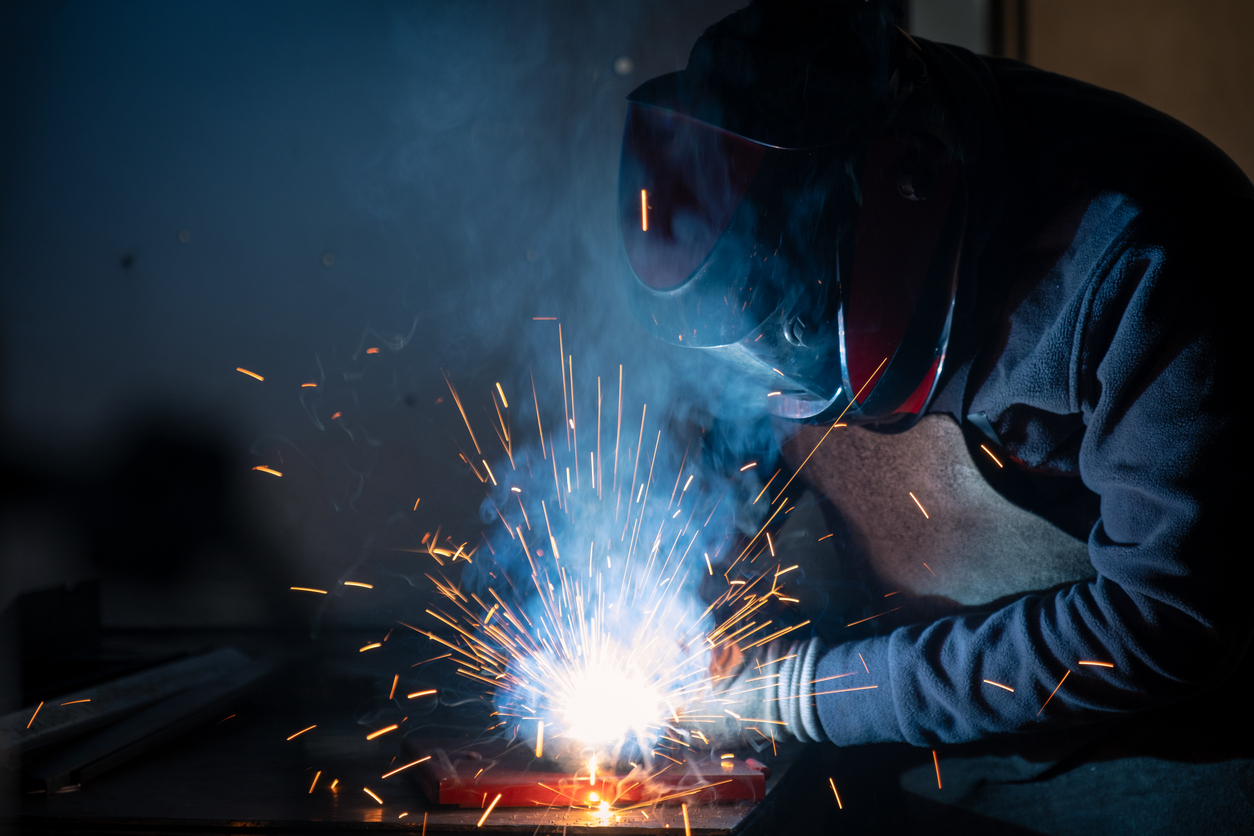
Welding, torch cutting, and other hot work operations happen every day inside ship repair yards — one segment of the $32 billion ship repair and maintenance industry. While routine, these activities are not low-risk: Hot work is one of the most significant sources of severe marine losses. That’s why it’s vital your clients are protected with marine liability insurance coverage.
Marine liability insurance coverage deserves close attention whenever crews perform hot work around vessels, equipment, docks, fuel systems, or confined spaces. Although marine liability insurance generally covers welding and hot work accidents, the real challenge for agents is conveying how a single incident can cause extensive damage.
Small Sparks Create Big Losses
Sparks travel, heat transfers through steel, and cutting operations can ignite or damage nearby materials and vessel components that were never part of the intended repair. What begins as a small job can lead to significant property damage and liability exposure.
Consider a routine welding project on a hull plate. As heat conducts through the bulkhead, it could ignite insulation in an adjacent compartment, sparking a fire aboard the vessel under repair.
Evaluate your clients’ marine liability insurance coverage based on potential loss severity, not simply the frequency of hot work activities. After all, the hazards associated with ship repairers rarely announce themselves in advance. When something goes wrong, it’s probably going to be a surprise to everyone.
Damage Often Spreads Further
Hot work incidents frequently affect more than the vessel being repaired. Losses can extend to adjacent vessels, docks, cranes, equipment, and waterfront facilities.
Vessels in a repairer’s care, custody, and control further raise the stakes. Damage becomes especially costly when the insured bears responsibility for property belonging to others.
Picture a welding-related fire that jumps from the worksite to a neighboring berth, damaging two customer vessels and a section of pier. One spark now drives multiple liability claims from multiple parties, each with its own coverage questions.
Tight Schedules Raise Exposure
Compressed project timelines, overlapping trades, overtime hours, and subcontracted labor all increase the likelihood of mistakes during hot work operations. Fatigued crews might skip fire watches, and subcontractors may not follow the yard’s permit procedures.
Commonly, two crews will perform concurrent repairs on the same vessel. One crew may begin cutting without knowing the other left flammable solvents in the space below, and the resulting loss may trigger a dispute over which crew and which employer bears responsibility. Agents should ask whether underwriting assumptions accurately reflect real-world staffing and workflow conditions inside busy repair yards.
Aligning Coverage With Hot Work Risks
Hot work losses often become severe because they affect vessels, property, operations, and third parties simultaneously. A short checklist will help you help your client answer important questions:
- Does marine liability insurance coverage reflect hot work exposures?
- Are care, custody, and control exposures properly considered?
- Do staffing practices and subcontractor arrangements align with underwriting assumptions?
- Have pollution and ship repairers legal liability exposures been evaluated?
If hot work operations represent a significant part of the insured’s daily activities, be sure to review your client’s ship repairers insurance programs regularly. For help navigating those conversations, reach out to Merrimac Marine Insurance to discuss coverage options for your ship repair clients.
About Merrimac Marine Insurance
At Merrimac Marine, we are dedicated to providing insurance for the marine industry to protect your clients’ businesses and assets. For more information about our products and programs, contact our specialists today at (800) 681-1998.