
Hurricane Season Is Here: Marina Coverage Gaps Agents Should Address Early
June 9, 2026
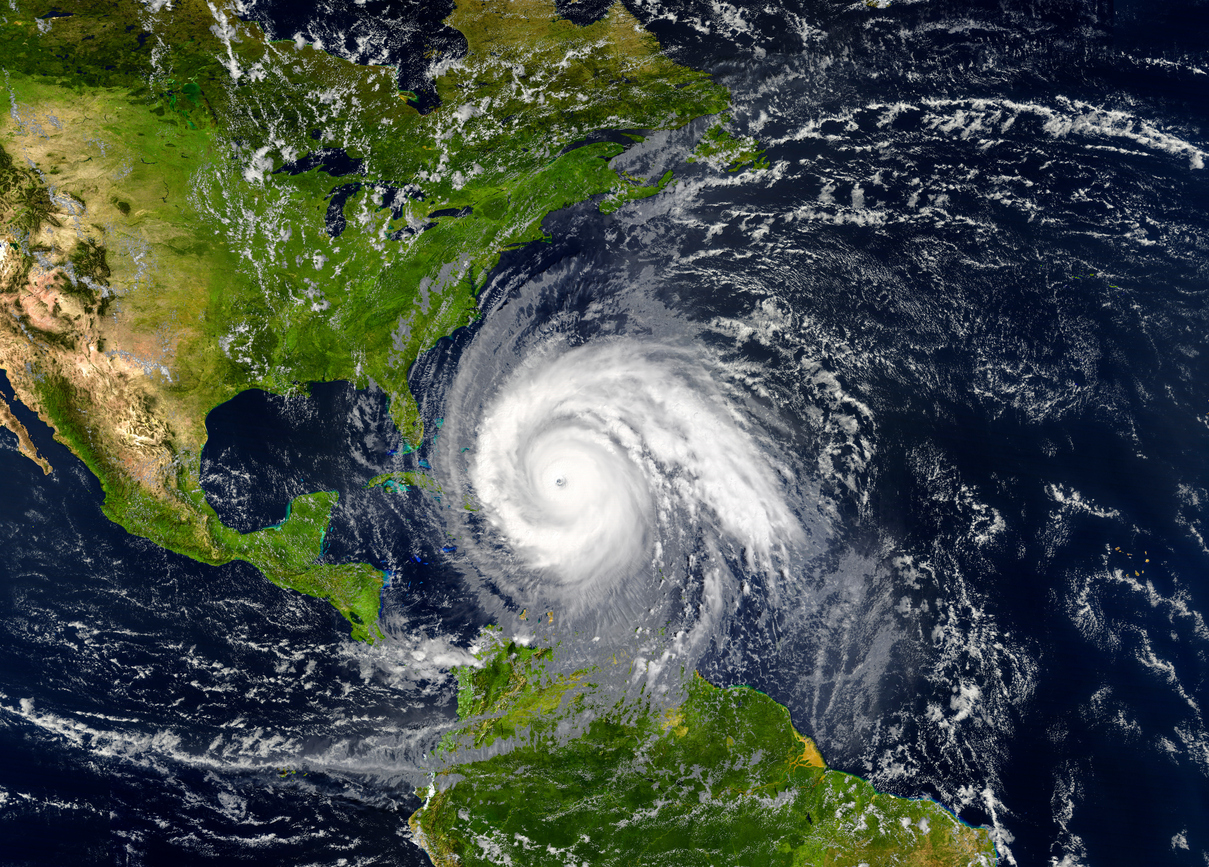
The Atlantic hurricane season officially began on June 1. For insurance agents who write marina insurance, the next few weeks are the right window to make sure marina clients are protected before storm activity ramps up.
Right about now, marina operators tend to focus on physical preparation: securing vessels, checking pumps, and reviewing evacuation plans. But the insurance side often goes unexamined until a claim forces the conversation.
So, will the 2026 hurricane season be bad? The National Oceanic and Atmospheric Association (NOAA) outlook leans toward a quieter year, with the agency forecasting a below-normal Atlantic hurricane season. Even so, the NOAA’s own National Weather Service director put it plainly: “It only takes one storm to make for a very bad season.”
A marina could easily be sitting in the path of a hurricane that will not care what the seasonal forecast looked like. A below-normal outlook does nothing to lower the value of the exposed property.
Review Property & Dock Coverage Before Storm Activity Increases
Marinas carry a mix of exposures that often don’t fit neatly into a standard commercial property policy. Floating and fixed docks, piers, gangways, fueling systems, bulkheads, and waterfront structures all sit directly in harm’s way during a storm, and replacement costs have climbed sharply since many of these schedules were last updated. A dock that was insured to its value three or four years ago is unfortunately almost certainly underinsured today.
Flood-related exclusions deserve particular attention. Wind and water damage are treated differently across policies, and a marina client may assume coverage extends further than it actually does. Confirming what is included, what requires a separate flood policy, and how storm surge is handled prevents an unwelcome conversation after a loss.
Evaluate Business Interruption & Extra Expense Exposures
A hurricane rarely produces a quick recovery for a marina. Cleanup, dock repairs, and debris removal can stretch a closure into weeks or months — especially when waiting on contractors in a region full of competing claims. Business interruption coverage should reflect the full revenue stream a marina depends on, including slip rentals, fuel sales, ship’s store revenue, service work, and storage fees.
Extra expense coverage matters just as much. Mandatory evacuations, emergency haul-outs, temporary fuel arrangements, and short-term equipment rentals all generate real costs that fall outside ordinary operations. Mandatory evacuation orders, in particular, can trigger expenses well before a storm actually arrives, and clients should know whether their policy responds to those costs.
Reassess Liability Risks During Hurricane Preparation & Recovery
Liability exposure rises sharply in the days surrounding a storm. Marinas see a surge in vessel movement as owners haul out, relocate, or attempt last-minute tie-downs, and the operational pace creates conditions for collisions, dock damage, and injuries. After the storm, debris removal, salvage work, and partially flooded facilities introduce a different set of hazards.
Unsecured vessels are a recurring source of claims, often involving boats owned by third parties that break loose and damage docks, neighboring craft, or marina property. Reviewing these claims trends and hazards at marinas with clients helps surface the contractual, signage, and operational issues that drive long-term insurance costs.
It probably goes without saying, but a marina operator’s legal liability and protection and indemnity coverage should be reviewed against current operations — and not reflect how things were running during the last renewal.
Help Marina Clients Build a Preseason Risk-Management Strategy
Agents add the most value when they sit down with marina clients well before a named storm appears on the forecast. You can help them see where their marina is vulnerable and shore things up so they’re as prepared as possible for hurricane season.
An early operational and coverage review covers the basics: an up-to-date hurricane plan, current maintenance records, photo documentation of docks and structures, slip-holder agreements with appropriate hold-harmless and indemnification language, and a clear chain of communication if evacuation becomes necessary.
Rising water exposures also deserve their own conversation. As high water levels increase marina risk, coverage that was adequate a few seasons ago may be obsolete today. Extreme weather, sustained higher water, storm surge potential: all of those factors can affect your marina clients.
However, you can turn their worst day into opportunities for hope and relief. Reach out to Merrimac Marine Insurance for marina insurance solutions — so you can make sure that your clients are thoroughly covered and ready for whatever Mother Nature sends their way.
About Merrimac Marine Insurance
At Merrimac Marine, we are dedicated to providing insurance for the marine industry to protect your clients’ businesses and assets. For more information about our products and programs, contact our specialists today at (800) 681-1998.