
Marine Contractor Insurance: Coverage Considerations for Work During Storm Season
October 13, 2026
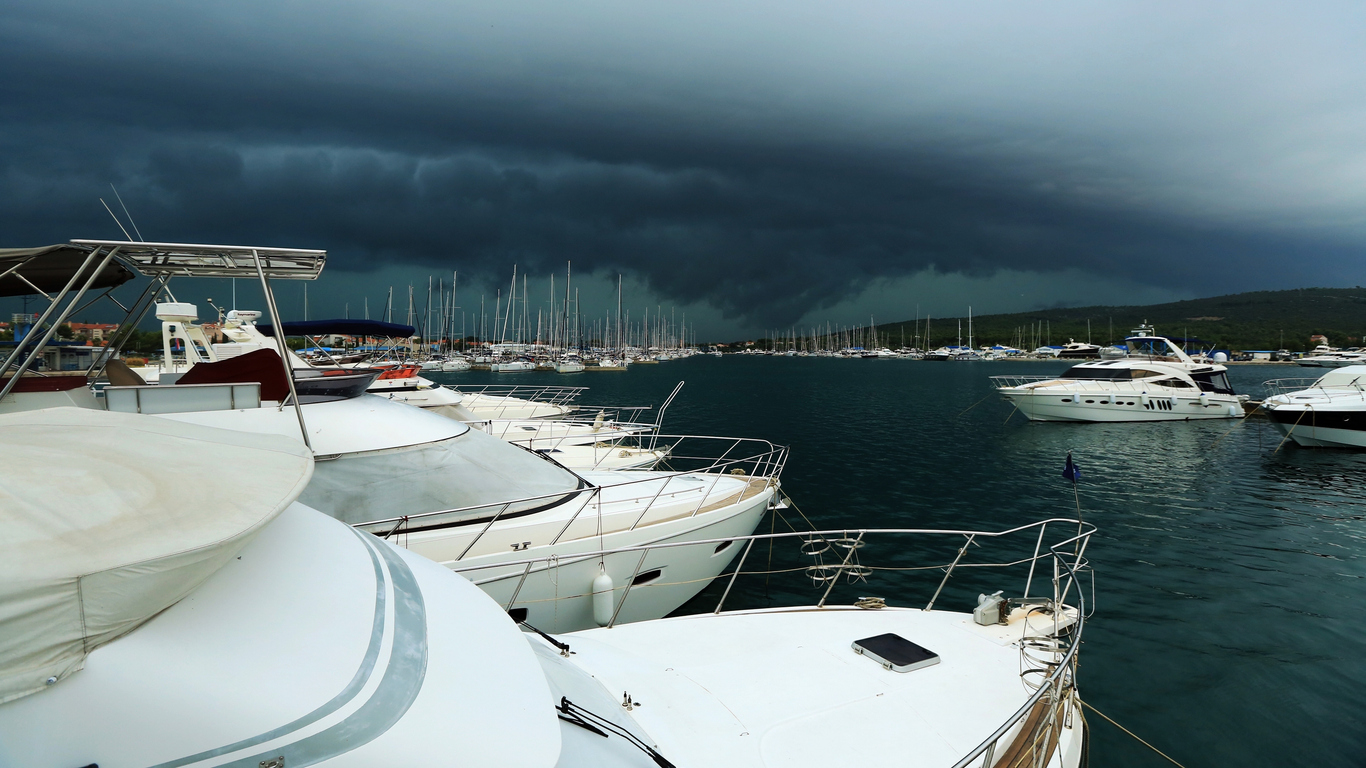
When a storm approaches an active marine construction site, contractors may have limited options for moving or securing unfinished work, materials, and heavy equipment. Half-built docks, partially driven pilings, staged materials, barges, cranes, and temporary installations may all remain in or near the water as conditions worsen. Without a marine contractor insurance policy in place, the marine contractor who owns everything in the storm’s path is taking on a tremendous financial risk.
What Can Be at Risk on an Active Marine Project?
An approaching storm can expose vulnerabilities in a marine construction site, from unfinished work to equipment and materials left in place. The insurance implications depend on what property is at risk, who is responsible for it, and the terms of the contractor’s policies.
Unfinished Work
Docks, piers, bulkheads, seawalls, and pilings under construction often lack the strength of finished structures. Crews may have temporarily braced or secured a partially completed bulkhead, but wind, waves, and storm surge can still damage or destroy it before the contractor finishes the job. That damage can set a project back weeks, and if your client’s insurance policy isn’t well thought out, there could be questions about who bears responsibility for the loss under the contract.
Equipment, Materials, and Work Vessels
Marine contractors often keep cranes, pile drivers, pumps, compressors, generators, and hand tools on site or on the water. Stored lumber, steel, rebar, and concrete forms add to the exposure. Barges, tugs, and workboats face their own hazards, including breaking free from moorings, grounding, or sinking. Flooding and surge can submerge equipment staged on low ground, just as an unexpectedly high tide can strand gear in tidal work zones.
Loose Materials and Debris
High winds and moving water can turn lumber, sheet piling, fencing, and construction debris into projectiles or floating hazards. Materials that leave the jobsite can damage neighboring docks, boats, homes, and businesses, creating potential third-party property damage claims.
How Can Marine Contractor Insurance Factor Into Storm-Season Planning?
Contractors and their agents can use storm season as a time to review the insurance that applies to equipment, vessels, ongoing work, property, and liability exposures. The goal is to understand how the program fits the contractor’s current projects and not to assume that any particular storm loss will or won’t fall within coverage.
Contractors Equipment
Many contractors wisely carry inland marine insurance for contractors equipment to address mobile tools and machinery that move between jobsites. Confirm that equipment schedules reflect what your client owns, leases, and has deployed. You can also review how the policy treats equipment located on the water, on barges, or in flood-prone staging areas, since some forms limit or exclude waterborne property unless the contractor adds an endorsement.
Marine Contractors Liability Insurance
Marine contractors liability insurance can come into play when contracting operations cause bodily injury or property damage to third parties. Storm-related scenarios might include debris from a jobsite damaging a neighbor’s boat or a partially built structure failing and harming adjacent property. Whether a policy responds depends on its terms, exclusions, and the facts of the loss.
Policy Terms To Review
Before a storm threatens a jobsite, you and your client should discuss the terms in their policy, such as limits, deductibles, covered property and locations, and exclusions that may apply to flood, surge, or waterborne property. Also examine contract requirements tied to insurance, including additional insured provisions and responsibility for unfinished work.
What Should Marine Contractors Review Before a Storm?
Preparing for severe weather involves protecting equipment, securing unfinished work, and planning for potential project delays. Encourage marine contractor clients to take the following steps:
- Monitor weather warnings. Stay informed about marine weather watches, advisories, and warnings from the National Oceanic and Atmospheric Administration. Pay attention to forecast winds, sea conditions, and approaching storms so crews have time to secure the site and relocate equipment or vessels when necessary.
- Document exposed property. Photograph and inventory equipment, materials, and unfinished work. Identify what can be moved to a safer location and what must remain on-site.
- Assign responsibilities. Designate who will secure equipment, relocate vessels, and protect partially completed structures.
- Secure the jobsite. Remove or secure loose materials, debris, temporary structures, and equipment that wind or flooding could damage or displace.
- Prepare for delays. Review contract provisions addressing weather-related delays, deadlines, and responsibilities for cleanup or additional work.
- Protect essential records. Keep updated project photographs, inventories, contracts, and insurance information accessible if the jobsite or office becomes inaccessible.
Prepare Before the Forecast Becomes Urgent
Storm-season planning should involve both preparing the physical jobsite and reviewing the insurance program that supports it. You can help your clients evaluate marine contractors insurance in the context of the contractor’s operations, equipment, vessels, and projects.
Merrimac Marine Insurance works with agents and marine contractors to address the exposures that come with building on the water. Call us to discuss your clients’ marine insurance needs before the next storm forms.